Less Than 1% - Citric Acid
Auto-generated content. This description was generated automatically and is pending editorial review. Inaccuracies are possible. Found a mistake? Contact us.
What it is
Citric acid is a weak organic acid found naturally in citrus fruits like lemons and oranges. It is produced commercially through the fermentation of sugar by specific molds, most commonly Aspergillus niger. It is a common food additive used for its tart flavor and preservative qualities.
Why it's used
Manufacturers add citric acid to foods primarily to enhance flavor by providing a tart or sour taste, and to act as a preservative by inhibiting microbial growth. It also functions as an acidity regulator, helping to control the pH of foods. It is commonly found in candies, beverages, jams, jellies, and canned fruits and vegetables.
Health notes
In the U.S., citric acid is generally recognized as safe (GRAS) by the FDA when used for its intended purpose. It is a common component of the human diet and is metabolized through normal body processes. International bodies like JECFA and EFSA have evaluated citric acid and its salts, and have established acceptable daily intake levels. Evidence does not suggest adverse health effects from typical dietary intake.
Allergen info
Citric acid is not derived from any of the nine major allergens recognized by the FDA. It does not contain gluten.
Products containing Less Than 1% - Citric Acid
Compare products →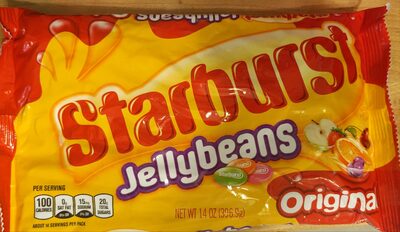 Mars Chocolate North America LLC
Original Jellybeans, Strawberry, Orange, Lemon, Green Apple, Cherry, Grape
357kcal
0Protein
0Fat
88.1Carbs
Mars Chocolate North America LLC
Original Jellybeans, Strawberry, Orange, Lemon, Green Apple, Cherry, Grape
357kcal
0Protein
0Fat
88.1Carbs
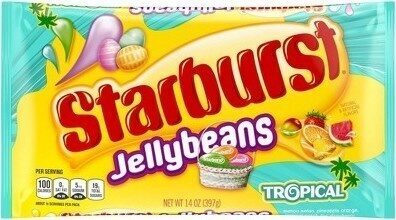 Mars Chocolate North America LLC
Tropical Jellybeans, Pineapple Orange, Watermelon, Mango Melon, Kiwi Strawberry, Strawberry Banana, Tropical Punch
357kcal
0Protein
0Fat
88.1Carbs
Cdm, Inc.
Lime & Himalayan Salt Amaranth Peanuts, Lime & Himalayan Salt
567kcal
13.3Protein
36.7Fat
43.3Carbs
Cdm, Inc.
Chipotle & Himalayan Salt Amaranth Peanuts, Chipotle & Himalayan Salt
567kcal
13.3Protein
36.7Fat
43.3Carbs
Zeitnet Inc.
Lime & Himalayan Salt Amaranth Sticks, Lime & Himalayan Salt
467kcal
6.7Protein
23.3Fat
60Carbs
Cdm, Inc.
Lime & Himalayan Salt Amaranth Sticks, Lime & Himalayan Salt
467kcal
6.7Protein
23.3Fat
60Carbs
Mars Chocolate North America LLC
Tropical Jellybeans, Pineapple Orange, Watermelon, Mango Melon, Kiwi Strawberry, Strawberry Banana, Tropical Punch
357kcal
0Protein
0Fat
88.1Carbs
Cdm, Inc.
Lime & Himalayan Salt Amaranth Peanuts, Lime & Himalayan Salt
567kcal
13.3Protein
36.7Fat
43.3Carbs
Cdm, Inc.
Chipotle & Himalayan Salt Amaranth Peanuts, Chipotle & Himalayan Salt
567kcal
13.3Protein
36.7Fat
43.3Carbs
Zeitnet Inc.
Lime & Himalayan Salt Amaranth Sticks, Lime & Himalayan Salt
467kcal
6.7Protein
23.3Fat
60Carbs
Cdm, Inc.
Lime & Himalayan Salt Amaranth Sticks, Lime & Himalayan Salt
467kcal
6.7Protein
23.3Fat
60Carbs
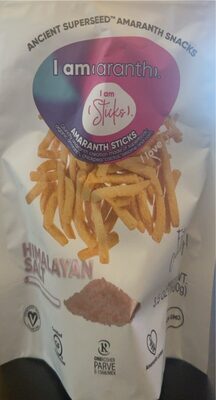 Zeitnet Inc.
Himalayan Salt Amaranth Sticks, Himalayan Salt
467kcal
6.7Protein
23.3Fat
60Carbs
Zeitnet Inc.
Himalayan Salt Amaranth Sticks, Himalayan Salt
467kcal
6.7Protein
23.3Fat
60Carbs
Supervalu, Inc.
Strawberry Drink, Strawberry
High in added sugars — 26% DV per serving
25kcal
0Protein
0Fat
5.8Carbs
Zeitnet Inc.
Himalayan Salt Amaranth Sticks, Himalayan Salt
467kcal
6.7Protein
23.3Fat
60Carbs
Zeitnet Inc.
Himalayan Salt Amaranth Sticks, Himalayan Salt
467kcal
6.7Protein
23.3Fat
60Carbs
Supervalu, Inc.
Strawberry Drink, Strawberry
High in added sugars — 26% DV per serving
25kcal
0Protein
0Fat
5.8Carbs