Himalayan Salt
Auto-generated content. This description was generated automatically and is pending editorial review. Inaccuracies are possible. Found a mistake? Contact us.
What it is
Himalayan salt is a type of rock salt, mined from the Punjab region of Pakistan, near the Himalayas. It is primarily composed of sodium chloride, but also contains trace amounts of minerals like potassium, magnesium, and calcium, which give it its characteristic pink color. It is typically minimally processed and unrefined.
Why it's used
Manufacturers add Himalayan salt primarily for its flavor, acting as a salt. It is used to enhance the taste of a wide variety of foods, from snacks like chips and popcorn to processed meats and baked goods. Its distinctive color can also contribute to the visual appeal of some products.
Health notes
Himalayan salt is generally recognized as safe (GRAS) by the FDA for use as a food ingredient. Like other salts, it is a source of sodium, and high sodium intake is linked to increased blood pressure in some individuals. The WHO recommends limiting sodium intake. JECFA has evaluated salt (sodium chloride) and established acceptable daily intakes.
Allergen info
Himalayan salt is not derived from any of the nine FDA major allergens. It does not contain gluten.
Products containing Himalayan Salt
Compare products →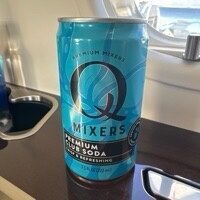 Q
Spectacular Club Soda
0kcal
0Protein
0Fat
0Carbs
Q
Spectacular Club Soda
0kcal
0Protein
0Fat
0Carbs
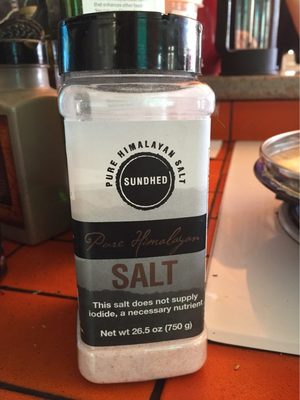 SUNDHED
Pure Himalayan Salt
0kcal
0Protein
0Fat
0Carbs
SUNDHED
Pure Himalayan Salt
0kcal
0Protein
0Fat
0Carbs
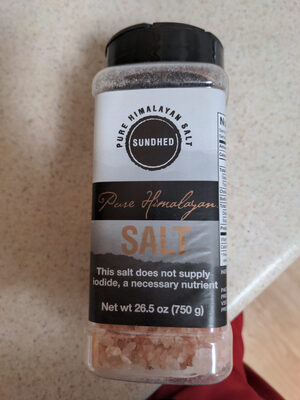 SUNDHED
Pure Himalayan Salt
0kcal
0Protein
0Fat
0Carbs
RED ROCK DELI
Himalayan Pink Salt Deli Style Potato Chips
500kcal
7.1Protein
21.4Fat
67.9Carbs
RED ROCK DELI
Deli Style Potato Chips
500kcal
7.1Protein
21.4Fat
67.9Carbs
VISIONARY FOODS
Nutola Granola, Monk Fruit Sweetened
High in saturated fat — 30% DV per serving
433kcal
10Protein
36.7Fat
23.3Carbs
OHI
Peanut Butter + Mesquite Superfood Bar, Peanut Butter + Mesquite
High in saturated fat — 20% DV per serving
549kcal
19.6Protein
41.2Fat
29.4Carbs
HEMPCO CANADA SUPERFOODS INC.
Savory Onion Superseeds Blend Whole Food Nutrition, Savory Onion
533kcal
26.7Protein
43.3Fat
16.7Carbs
LESSEREVIL BRAND SNACK CO.
Popcorn With Organic Coconut Oil Himalayan Pink Salt, Himalayan Pink Salt
400kcal
8Protein
14Fat
56Carbs
FREAKIN' HEALTHY
Hazelnut Butter Bites, Hazelnut
450kcal
20Protein
30Fat
30Carbs
SUNDHED
Pure Himalayan Salt
0kcal
0Protein
0Fat
0Carbs
RED ROCK DELI
Himalayan Pink Salt Deli Style Potato Chips
500kcal
7.1Protein
21.4Fat
67.9Carbs
RED ROCK DELI
Deli Style Potato Chips
500kcal
7.1Protein
21.4Fat
67.9Carbs
VISIONARY FOODS
Nutola Granola, Monk Fruit Sweetened
High in saturated fat — 30% DV per serving
433kcal
10Protein
36.7Fat
23.3Carbs
OHI
Peanut Butter + Mesquite Superfood Bar, Peanut Butter + Mesquite
High in saturated fat — 20% DV per serving
549kcal
19.6Protein
41.2Fat
29.4Carbs
HEMPCO CANADA SUPERFOODS INC.
Savory Onion Superseeds Blend Whole Food Nutrition, Savory Onion
533kcal
26.7Protein
43.3Fat
16.7Carbs
LESSEREVIL BRAND SNACK CO.
Popcorn With Organic Coconut Oil Himalayan Pink Salt, Himalayan Pink Salt
400kcal
8Protein
14Fat
56Carbs
FREAKIN' HEALTHY
Hazelnut Butter Bites, Hazelnut
450kcal
20Protein
30Fat
30Carbs
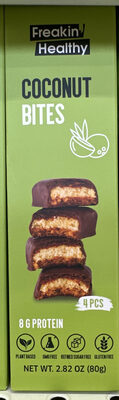 FREAKIN' HEALTHY
Coconut Butter Bites, Coconut
400kcal
15Protein
30Fat
40Carbs
FREAKIN' HEALTHY
Coconut Butter Bites, Coconut
400kcal
15Protein
30Fat
40Carbs
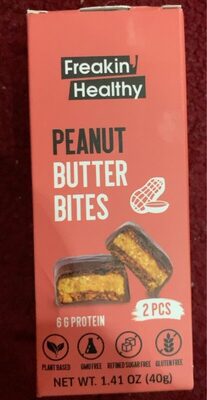 FREAKIN' HEALTHY
Peanut Butter Bites, Peanut
400kcal
20Protein
25Fat
35Carbs
FREAKIN' HEALTHY
Peanut Butter Bites, Peanut
400kcal
20Protein
25Fat
35Carbs