Less Than 1%: Natural Flavors
Auto-generated content. This description was generated automatically and is pending editorial review. Inaccuracies are possible. Found a mistake? Contact us.
What it is
Natural flavors are complex mixtures derived from natural sources like fruits, vegetables, spices, herbs, or animal products. They are created through physical processes (like extraction or distillation) or enzymatic or microbiological processes. The goal is to impart a specific taste or aroma to food.
Why it's used
Manufacturers add natural flavors to enhance or create specific tastes in foods, often when the natural ingredient itself is not present or in insufficient amounts. They are commonly found in processed foods like yogurts, beverages, baked goods, and snacks.
Health notes
In the U.S., 'natural flavor' is a recognized term by the FDA, and these ingredients are generally recognized as safe (GRAS) when used as intended. Regulatory bodies like the Joint FAO/WHO Expert Committee on Food Additives (JECFA) and the European Food Safety Authority (EFSA) have evaluated many flavoring substances. While generally considered safe at typical consumption levels, the exact composition of natural flavors is proprietary, making specific health impact assessments challenging.
Allergen info
Natural flavors are not a major allergen themselves, but they can sometimes be derived from major allergens like milk, soy, or wheat. Manufacturers must declare the presence of major allergens if they are intentionally added, but the source of natural flavors may not always be explicitly listed.
Products containing Less Than 1%: Natural Flavors
Compare products →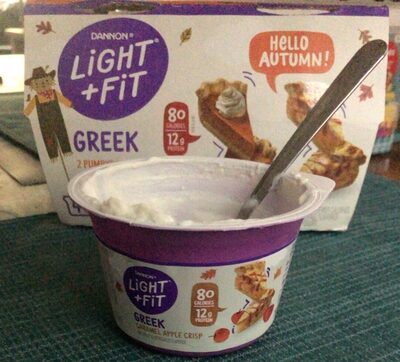 Greek Crme Brle & Strawberry Cheesecake Nonfat Yogurt
53kcal
8Protein
0Fat
5.3Carbs
Greek Crme Brle & Strawberry Cheesecake Nonfat Yogurt
53kcal
8Protein
0Fat
5.3Carbs
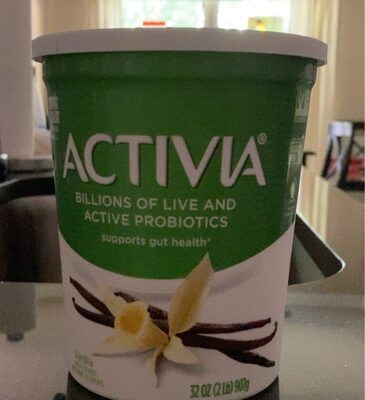 Danone US, LLC
Vanilla Lowfat Yogurt, Vanilla
High in added sugars — 26% DV per serving
76kcal
3.5Protein
1.5Fat
12.9Carbs
Danone US, LLC
Vanilla Lowfat Yogurt, Vanilla
High in added sugars — 26% DV per serving
76kcal
3.5Protein
1.5Fat
12.9Carbs
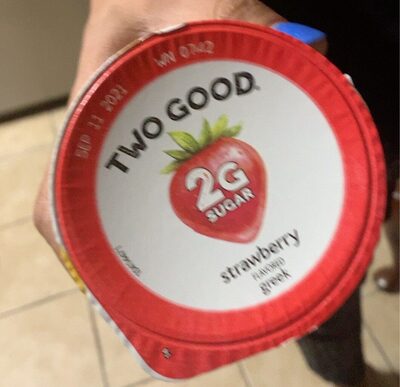 Danone US, LLC
Strawberry & Vanilla Greek Lowfat Yogurt
53kcal
8Protein
1.3Fat
2Carbs
Danone US, LLC
Peach Passion Fruit Flavor Icelandic Style Nonfat Yogurt, Peach; Passion Fruit
60kcal
10Protein
0Fat
4.7Carbs
Danone US, LLC
Strawberry & Vanilla Greek Lowfat Yogurt
53kcal
8Protein
1.3Fat
2Carbs
Danone US, LLC
Peach Passion Fruit Flavor Icelandic Style Nonfat Yogurt, Peach; Passion Fruit
60kcal
10Protein
0Fat
4.7Carbs
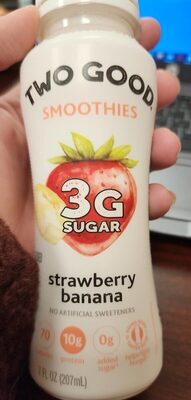 Danone US, LLC
Strawberry Banana Smoothies, Strawberry; Banana
34kcal
4.8Protein
1.0Fat
2.4Carbs
Danone US, LLC
Strawberry Banana Smoothies, Strawberry; Banana
34kcal
4.8Protein
1.0Fat
2.4Carbs
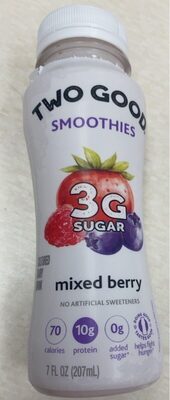 Danone US, LLC
Mixed Berry Smoothies, Mixed Berry
34kcal
4.8Protein
1.0Fat
2.4Carbs
Danone US, LLC
Mixed Berry Smoothies, Mixed Berry
34kcal
4.8Protein
1.0Fat
2.4Carbs