Less Than 1.0% Of: Soy Lecithin
What is Less Than 1.0% Of: Soy Lecithin?
Soy lecithin is a fatty substance derived from soybeans. It's a byproduct of soybean oil production, typically extracted using solvents and then refined. It acts as an emulsifier, helping to blend oil and water-based ingredients.
Is Less Than 1.0% Of: Soy Lecithin vegan?
Less Than 1.0% Of: Soy Lecithin is not animal-derived. Products that contain it can still include other animal-derived ingredients, so check the full ingredient list.
Is Less Than 1.0% Of: Soy Lecithin gluten-free?
It does not contain gluten.
Is Less Than 1.0% Of: Soy Lecithin a major allergen?
Soy lecithin is derived from soy, which is one of the 9 FDA major allergens.
What is Less Than 1.0% Of: Soy Lecithin used for?
Manufacturers add soy lecithin to foods as an emulsifier, stabilizer, and preservative.
Is Less Than 1.0% Of: Soy Lecithin safe?
Soy lecithin is generally recognized as safe (GRAS) by the FDA.
Why it's used
Manufacturers add soy lecithin to foods as an emulsifier, stabilizer, and preservative. It helps prevent ingredients from separating, improves texture, and extends shelf life. It's commonly found in baked goods, chocolate, dressings, and processed meats.
Health notes
Soy lecithin is generally recognized as safe (GRAS) by the FDA. It is a common food additive with a long history of use. JECFA and EFSA have evaluated soy lecithin and found no safety concerns at typical intake levels. Some individuals may have sensitivities, but it is not considered a significant health risk for most people.
Allergen info
Soy lecithin is derived from soy, which is one of the 9 FDA major allergens. It does not contain gluten.
Foods that contain Less Than 1.0% Of: Soy Lecithin
Compare products →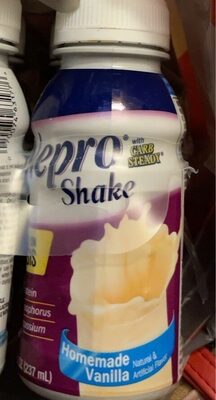
Learn more
Auto-generated content. This description was generated automatically and is pending editorial review. Inaccuracies are possible. Found a mistake? Contact us.