Less Than 1/10 Of 1% Benzoate Of Soda
This entry is a label phrase. See the main ingredient page: 1/10 Of 1% Benzoate Of Soda.
What is Less Than 1/10 Of 1% Benzoate Of Soda?
Benzoate of soda, also known as sodium benzoate, is a salt of benzoic acid. It is typically produced industrially by reacting sodium hydroxide with benzoic acid. Benzoic acid is found naturally in many plants, such as cranberries and prunes, but the amounts used in food are synthetically produced.
Is Less Than 1/10 Of 1% Benzoate Of Soda vegan?
Less Than 1/10 Of 1% Benzoate Of Soda is not animal-derived. Products that contain it can still include other animal-derived ingredients, so check the full ingredient list.
Is Less Than 1/10 Of 1% Benzoate Of Soda a major allergen?
Not a major allergen.
What is Less Than 1/10 Of 1% Benzoate Of Soda used for?
Sodium benzoate is primarily used as a preservative in processed foods and beverages.
Is Less Than 1/10 Of 1% Benzoate Of Soda safe?
Sodium benzoate is generally recognized as safe (GRAS) by the FDA when used as a food preservative.
Why it's used
Sodium benzoate is primarily used as a preservative in processed foods and beverages. It helps prevent the growth of mold, yeast, and bacteria, which can spoil food and cause illness. It is often found in acidic foods and drinks like pickles, olives, relishes, sodas, and fruit juices.
Health notes
Sodium benzoate is generally recognized as safe (GRAS) by the FDA when used as a food preservative. JECFA and EFSA have evaluated sodium benzoate and established acceptable daily intakes. Some studies have explored potential links between sodium benzoate and hyperactivity in children, but evidence is mixed and inconclusive. When combined with vitamin C (ascorbic acid) in beverages, it can form small amounts of benzene, a carcinogen, though levels are typically very low and regulated.
Allergen info
Not a major allergen.
Foods that contain Less Than 1/10 Of 1% Benzoate Of Soda
Compare products →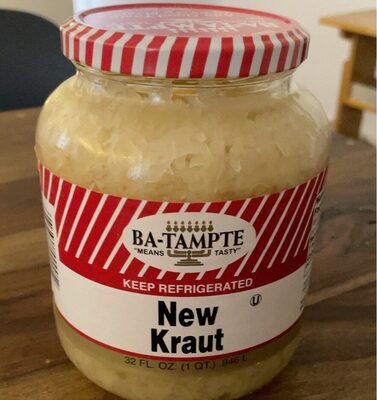
Learn more
Auto-generated content. This description was generated automatically and is pending editorial review. Inaccuracies are possible. Found a mistake? Contact us.