Less Than 1.5% Of: Lactase
What is Less Than 1.5% Of: Lactase?
Lactase is an enzyme that helps break down lactose, a sugar found in milk. It is naturally produced in the small intestine of mammals. In food production, it is often produced through fermentation by specific microorganisms.
Is Less Than 1.5% Of: Lactase vegan?
Less Than 1.5% Of: Lactase is not animal-derived. Products that contain it can still include other animal-derived ingredients, so check the full ingredient list.
Is Less Than 1.5% Of: Lactase gluten-free?
Not a gluten source.
Is Less Than 1.5% Of: Lactase a major allergen?
Lactase itself is not a major allergen.
What is Less Than 1.5% Of: Lactase used for?
Lactase is added to dairy products, especially milk and yogurt, to reduce their lactose content.
Is Less Than 1.5% Of: Lactase safe?
Lactase is generally recognized as safe (GRAS) by the FDA for use in food.
Why it's used
Lactase is added to dairy products, especially milk and yogurt, to reduce their lactose content. This makes these products easier to digest for people who are lactose intolerant. It functions as a processing aid to improve digestibility.
Health notes
Lactase is generally recognized as safe (GRAS) by the FDA for use in food. It is an enzyme that aids digestion and is not typically associated with adverse health effects when consumed in amounts found in food. International bodies like JECFA have evaluated enzymes, but specific regulatory limits for lactase in food are not usually set.
Allergen info
Lactase itself is not a major allergen. However, it is often used in dairy products, which are a major allergen. Not a gluten source.
Foods that contain Less Than 1.5% Of: Lactase
Compare products →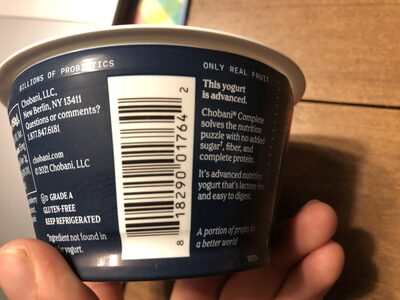
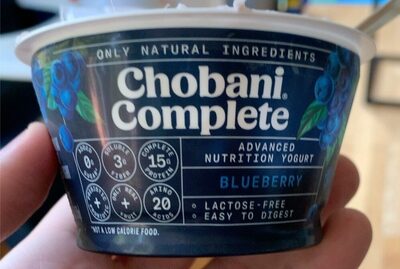
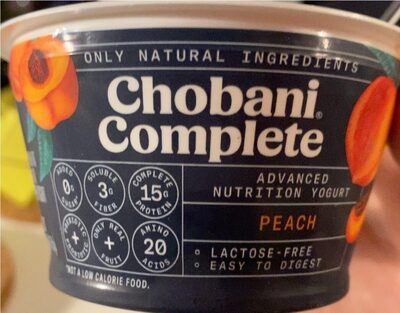
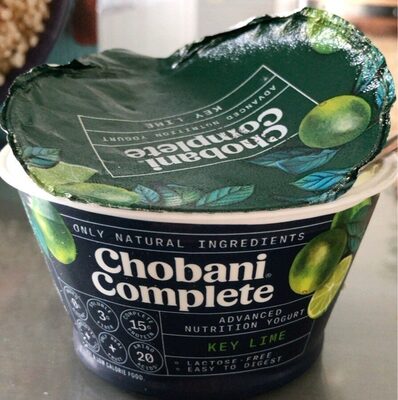
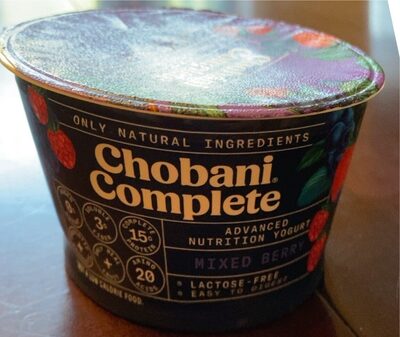
Auto-generated content. This description was generated automatically and is pending editorial review. Inaccuracies are possible. Found a mistake? Contact us.