Less Than 2% Corn Starch
What is Less Than 2% Corn Starch?
Corn starch is a fine, white powder made from the endosperm of corn kernels. It's a carbohydrate that is separated from the corn during the milling process. It is commonly used as a thickening agent in cooking and baking.
Is Less Than 2% Corn Starch vegan?
Less Than 2% Corn Starch is not animal-derived. Products that contain it can still include other animal-derived ingredients, so check the full ingredient list.
Is Less Than 2% Corn Starch gluten-free?
Gluten is not present in corn starch.
Is Less Than 2% Corn Starch a major allergen?
Corn is not one of the nine major allergens.
What is Less Than 2% Corn Starch used for?
Manufacturers add corn starch to foods primarily as a thickener to give sauces, gravies, and soups a smoother texture.
Is Less Than 2% Corn Starch safe?
Corn starch is Generally Recognized As Safe (GRAS) by the FDA for use in food.
Why it's used
Manufacturers add corn starch to foods primarily as a thickener to give sauces, gravies, and soups a smoother texture. It can also be used as a binder, stabilizer, or to improve the mouthfeel of processed foods. You'll find it in baked goods, dairy products, and salad dressings.
Health notes
Corn starch is Generally Recognized As Safe (GRAS) by the FDA for use in food. It is a carbohydrate and provides energy. JECFA has evaluated corn starch and did not set a numeric limit (ADI not specified). It is not associated with major health controversies when consumed as part of a balanced diet.
Allergen info
Corn is not one of the nine major allergens. Gluten is not present in corn starch.
Foods that contain Less Than 2% Corn Starch
Compare products →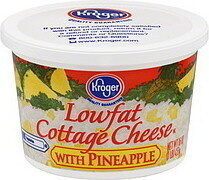 The Kroger Co.
Kroger, Lowfat Cottage Cheese, Pineapple, Pineapple
80kcal
9.7Protein
1.8Fat
6.2Carbs
Harris-Teeter Inc.
Teriyaki Beef With Pineapple Rice
High in sodium — 29% DV per serving
124kcal
6.0Protein
2.1Fat
20.1Carbs
Harris-Teeter Inc.
Teriyaki Beef With Pineapple Rice, Teriyaki Beef
High in sodium — 29% DV per serving
124kcal
6.0Protein
2.1Fat
20.1Carbs
Safeway, Inc.
Raspberry Vinaigrette, Raspberry
233kcal
0Protein
15Fat
26.7Carbs
The Kroger Co.
Kroger, Lowfat Cottage Cheese, Pineapple, Pineapple
80kcal
9.7Protein
1.8Fat
6.2Carbs
Harris-Teeter Inc.
Teriyaki Beef With Pineapple Rice
High in sodium — 29% DV per serving
124kcal
6.0Protein
2.1Fat
20.1Carbs
Harris-Teeter Inc.
Teriyaki Beef With Pineapple Rice, Teriyaki Beef
High in sodium — 29% DV per serving
124kcal
6.0Protein
2.1Fat
20.1Carbs
Safeway, Inc.
Raspberry Vinaigrette, Raspberry
233kcal
0Protein
15Fat
26.7Carbs
Learn more
Auto-generated content. This description was generated automatically and is pending editorial review. Inaccuracies are possible. Found a mistake? Contact us.