Less Than 2% Dehydrated Onion
Auto-generated content. This description was generated automatically and is pending editorial review. Inaccuracies are possible. Found a mistake? Contact us.
What it is
Dehydrated onion is made by removing water from fresh onions, which concentrates their flavor and extends their shelf life. This process typically involves slicing or dicing onions and then drying them using heat or air circulation. The resulting product is a concentrated form of onion, available in flakes, granules, or powder.
Why it's used
Manufacturers add dehydrated onion to provide a strong onion flavor and aroma without the moisture content of fresh onions. It is commonly used in dry mixes like seasoning blends, spice rubs, and soup mixes. It also appears in sauces, marinades, dips, and processed meats where a consistent onion taste is desired.
Health notes
Dehydrated onion is generally recognized as safe (GRAS) by the FDA for use in food. It is a source of various nutrients found in fresh onions, such as vitamin C and certain minerals. Regulatory bodies like JECFA and EFSA have evaluated onion and its components. At typical dietary levels, it is not associated with adverse health effects. Evidence does not suggest a direct link between onion consumption and specific diseases.
Allergen info
Onion is not one of the nine FDA major food allergens. It does not contain gluten.
Products containing Less Than 2% Dehydrated Onion
Compare products →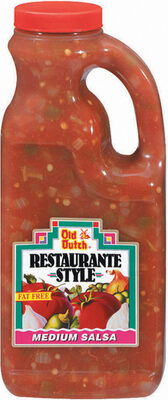 Old Dutch Foods Inc
Medium Restaurante Style Garden Salsa, Medium
33kcal
0Protein
0Fat
6.7Carbs
Dales Sauces, Inc.
Reduced Sodium Blend Steak Seasoning, Steak
High in sodium — 30% DV per serving
237kcal
11.8Protein
17.8Fat
11.8Carbs
Smart & Final Iris Corporation
Herb & Garlic Marinade, Herb & Garlic
67kcal
0Protein
0Fat
13.3Carbs
Next Phase Enterprises
Everything Bagel Creamy Dip, Everything Bagel
233kcal
3.3Protein
20Fat
10Carbs
Old Dutch Foods Inc
Restaurante Style Spinach Dip, Restaurante Style Spinach
167kcal
3.3Protein
11.7Fat
13.3Carbs
Old Dutch Foods Inc
Medium Restaurante Style Garden Salsa, Medium
33kcal
0Protein
0Fat
6.7Carbs
Dales Sauces, Inc.
Reduced Sodium Blend Steak Seasoning, Steak
High in sodium — 30% DV per serving
237kcal
11.8Protein
17.8Fat
11.8Carbs
Smart & Final Iris Corporation
Herb & Garlic Marinade, Herb & Garlic
67kcal
0Protein
0Fat
13.3Carbs
Next Phase Enterprises
Everything Bagel Creamy Dip, Everything Bagel
233kcal
3.3Protein
20Fat
10Carbs
Old Dutch Foods Inc
Restaurante Style Spinach Dip, Restaurante Style Spinach
167kcal
3.3Protein
11.7Fat
13.3Carbs