Less Than 2%: Organic Corn Starch
What is Less Than 2%: Organic Corn Starch?
Corn starch is a carbohydrate derived from the endosperm of corn kernels. It is produced by grinding dried corn kernels and separating the starch from the protein and fiber. This fine, white powder is a common ingredient used for thickening.
Is Less Than 2%: Organic Corn Starch vegan?
Less Than 2%: Organic Corn Starch is not animal-derived. Products that contain it can still include other animal-derived ingredients, so check the full ingredient list.
Is Less Than 2%: Organic Corn Starch gluten-free?
It does not contain gluten.
Is Less Than 2%: Organic Corn Starch a major allergen?
Corn is not one of the 9 FDA major allergens.
What is Less Than 2%: Organic Corn Starch used for?
Manufacturers add corn starch primarily as a thickener in sauces, gravies, soups, and puddings.
Is Less Than 2%: Organic Corn Starch safe?
Corn starch is Generally Recognized As Safe (GRAS) by the FDA for use in food.
Why it's used
Manufacturers add corn starch primarily as a thickener in sauces, gravies, soups, and puddings. It can also be used as a binder in processed meats and baked goods, and to prevent caking in powdered products. It is often found in frozen dinners, baked goods, and dairy products.
Health notes
Corn starch is Generally Recognized As Safe (GRAS) by the FDA for use in food. It is a carbohydrate that provides energy. JECFA and EFSA have evaluated starch and its derivatives. While generally considered safe, excessive intake of any carbohydrate can contribute to calorie intake.
Allergen info
Corn is not one of the 9 FDA major allergens. It does not contain gluten.
Foods that contain Less Than 2%: Organic Corn Starch
Compare products →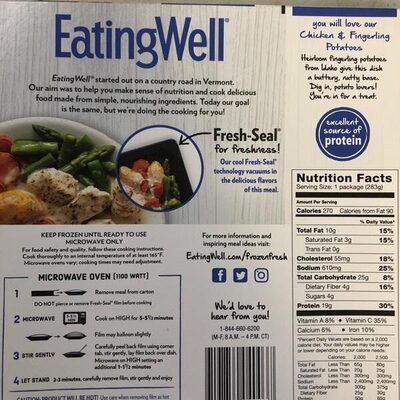 Bellisio Foods Inc
Chicken & Fingerling Potatoes Roasted White Chicken With Fingerling Potatoes & Vegetables In A Whole Grain Mustard Sauce, Chicken & Fingerling Potatoes
High in sodium — 27% DV per serving
92kcal
6.7Protein
3.5Fat
8.8Carbs
Finlay Extracts & Ingredients USA, Inc.
Organic Sour Cream
233kcal
6.7Protein
20Fat
10Carbs
AZGrip.com LLC
Steak With Portobello Mushroom
High in sodium — 21% DV per serving
88kcal
5.3Protein
1.8Fat
12.4Carbs
Bellisio Foods Inc
Chicken & Fingerling Potatoes Roasted White Chicken With Fingerling Potatoes & Vegetables In A Whole Grain Mustard Sauce, Chicken & Fingerling Potatoes
High in sodium — 27% DV per serving
92kcal
6.7Protein
3.5Fat
8.8Carbs
Finlay Extracts & Ingredients USA, Inc.
Organic Sour Cream
233kcal
6.7Protein
20Fat
10Carbs
AZGrip.com LLC
Steak With Portobello Mushroom
High in sodium — 21% DV per serving
88kcal
5.3Protein
1.8Fat
12.4Carbs
Learn more
Auto-generated content. This description was generated automatically and is pending editorial review. Inaccuracies are possible. Found a mistake? Contact us.