Less Than 2% Silicon Dioxide Added As An Anticaking Agent
What is Less Than 2% Silicon Dioxide Added As An Anticaking Agent?
Silicon dioxide is a form of silica, which is a common compound found in nature, like in sand. It is manufactured for use in food by reacting silicon tetrachloride with oxygen and water. It appears as a fine white powder.
Is Less Than 2% Silicon Dioxide Added As An Anticaking Agent vegan?
Less Than 2% Silicon Dioxide Added As An Anticaking Agent is not animal-derived. Products that contain it can still include other animal-derived ingredients, so check the full ingredient list.
Is Less Than 2% Silicon Dioxide Added As An Anticaking Agent a major allergen?
Not a major allergen.
What is Less Than 2% Silicon Dioxide Added As An Anticaking Agent used for?
Manufacturers add silicon dioxide to powdered or granulated foods to prevent clumping and ensure a free-flowing product.
Is Less Than 2% Silicon Dioxide Added As An Anticaking Agent safe?
Silicon dioxide is Generally Recognized As Safe (GRAS) by the FDA for use as an anticaking agent.
Why it's used
Manufacturers add silicon dioxide to powdered or granulated foods to prevent clumping and ensure a free-flowing product. It acts as an anticaking agent, absorbing moisture and keeping particles separate. It is commonly found in spices, salt, powdered drink mixes, and baking powders.
Health notes
Silicon dioxide is Generally Recognized As Safe (GRAS) by the FDA for use as an anticaking agent. It is indigestible and passes through the body unchanged. JECFA and EFSA have evaluated silicon dioxide and established acceptable daily intakes. It is not known to cause adverse health effects at the low levels typically consumed.
Allergen info
Not a major allergen.
Foods that contain Less Than 2% Silicon Dioxide Added As An Anticaking Agent
Compare products →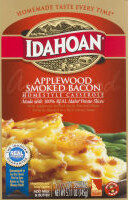 Idahoan Foods, LLC
Applewood Smoked Bacon Homestyle Casserole
High in sodium — 26% DV per serving
393kcal
10.7Protein
1.8Fat
82.1Carbs
Roundbook Publishing Group, Inc.
Dak's Spices, Blackened, Look Ma No Salt
333kcal
0Protein
0Fat
66.7Carbs
Roundbook Publishing Group, Inc.
Spices
333kcal
0Protein
0Fat
66.7Carbs
Idahoan Foods, LLC
Loaded Baked Reduced Sodium Mashed Potatoes
393kcal
7.1Protein
8.9Fat
71.4Carbs
Idahoan Foods, LLC
Applewood Smoked Bacon Homestyle Casserole
High in sodium — 26% DV per serving
393kcal
10.7Protein
1.8Fat
82.1Carbs
Roundbook Publishing Group, Inc.
Dak's Spices, Blackened, Look Ma No Salt
333kcal
0Protein
0Fat
66.7Carbs
Roundbook Publishing Group, Inc.
Spices
333kcal
0Protein
0Fat
66.7Carbs
Idahoan Foods, LLC
Loaded Baked Reduced Sodium Mashed Potatoes
393kcal
7.1Protein
8.9Fat
71.4Carbs
Auto-generated content. This description was generated automatically and is pending editorial review. Inaccuracies are possible. Found a mistake? Contact us.