Less Than 2% - Vegetable Glycerine
Auto-generated content. This description was generated automatically and is pending editorial review. Inaccuracies are possible. Found a mistake? Contact us.
What it is
Vegetable glycerine, also known as glycerol, is a clear, colorless, odorless, and viscous liquid. It is a sugar alcohol that can be derived from plant oils (like soy, coconut, or palm oil) or animal fats. It is produced through a process called saponification or transesterification.
Why it's used
Manufacturers add vegetable glycerine to foods as a humectant (to retain moisture), a solvent for flavors and colors, a sweetener, and a preservative. It helps prevent foods from drying out and contributes to a smooth texture. It is commonly found in candies, baked goods, frostings, and some beverages.
Health notes
Vegetable glycerine is generally recognized as safe (GRAS) by the FDA for use in food. It is metabolized by the body differently than sugar and does not significantly raise blood sugar levels. International bodies like JECFA and EFSA have evaluated glycerol, and it is permitted for use in many countries. At typical dietary levels, it is not associated with adverse health effects.
Allergen info
Vegetable glycerine is not a major allergen. If derived from soy, it is highly refined, and the protein that causes allergic reactions is typically removed. It does not contain gluten.
Products containing Less Than 2% - Vegetable Glycerine
Compare products →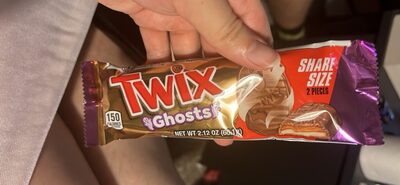 Mars Chocolate North America LLC
Caramel, Milk Chocolate Cookie Ghosts, Caramel, Milk Chocolate
High in saturated fat — 22% DV per serving
High in added sugars — 30% DV per serving
500kcal
3.3Protein
23.3Fat
66.7Carbs
Mars Chocolate North America LLC
Creamy Almond Butter Almonds, Caramel, Milk Chocolate Squares, Creamy Almond Butter
High in saturated fat — 25% DV per serving
High in added sugars — 32% DV per serving
500kcal
7.5Protein
30Fat
55Carbs
Mars Chocolate North America LLC
Caramel, Milk Chocolate Cookie Ghosts, Caramel, Milk Chocolate
High in saturated fat — 22% DV per serving
High in added sugars — 30% DV per serving
500kcal
3.3Protein
23.3Fat
66.7Carbs
Mars Chocolate North America LLC
Creamy Almond Butter Almonds, Caramel, Milk Chocolate Squares, Creamy Almond Butter
High in saturated fat — 25% DV per serving
High in added sugars — 32% DV per serving
500kcal
7.5Protein
30Fat
55Carbs
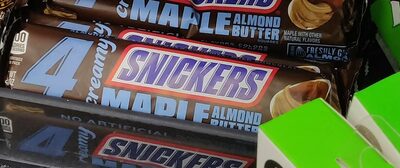 Mars Chocolate North America LLC
Creamy Maple Almond Butter Almonds, Maple Flavored Caramel, Milk Chocolate Squares, Creamy Maple Almond Butter
High in saturated fat — 25% DV per serving
High in added sugars — 32% DV per serving
500kcal
7.5Protein
30Fat
55Carbs
Mars Chocolate North America LLC
Creamy Almond Butter Squares Chocolate, Almond Butter
524kcal
9.5Protein
28.6Fat
57.1Carbs
Mars Chocolate North America LLC
Creamy Maple Almond Butter Squares Chocolate
524kcal
9.5Protein
28.6Fat
57.1Carbs
Mars Chocolate North America LLC
Creamy Maple Almond Butter Almonds, Maple Flavored Caramel, Milk Chocolate Squares, Creamy Maple Almond Butter
High in saturated fat — 25% DV per serving
High in added sugars — 32% DV per serving
500kcal
7.5Protein
30Fat
55Carbs
Mars Chocolate North America LLC
Creamy Almond Butter Squares Chocolate, Almond Butter
524kcal
9.5Protein
28.6Fat
57.1Carbs
Mars Chocolate North America LLC
Creamy Maple Almond Butter Squares Chocolate
524kcal
9.5Protein
28.6Fat
57.1Carbs