Licorice Powder
Auto-generated content. This description was generated automatically and is pending editorial review. Inaccuracies are possible. Found a mistake? Contact us.
What it is
Licorice powder is made from the dried root of the Glycyrrhiza glabra plant, a perennial herb native to Southern Europe and parts of Asia. The root is cleaned, dried, and then ground into a fine powder. This powder contains glycyrrhizin, a sweet compound that gives licorice its characteristic flavor.
Why it's used
Licorice powder is primarily used as a flavoring agent, imparting its distinct sweet and slightly bitter taste to foods. It is most commonly found in candies, baked goods, and beverages. Manufacturers also use it to add a natural sweetness and color to products.
Health notes
Licorice root extract is generally recognized as safe (GRAS) by the FDA for use as a food flavoring. However, the active compound glycyrrhizin can have physiological effects, particularly when consumed in large amounts over time. These effects can include increased blood pressure and lowered potassium levels. The WHO/IARC has not classified licorice root as carcinogenic. JECFA has evaluated licorice root and its constituents, establishing acceptable daily intake levels for certain components.
Allergen info
Licorice powder is not derived from any of the nine FDA major allergens. It does not contain gluten.
Products containing Licorice Powder
Compare products →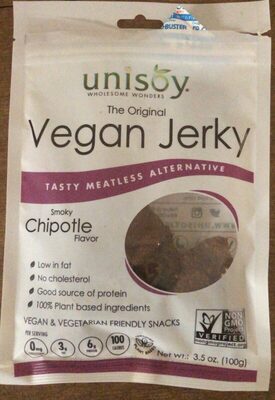 AFC Trading & Wholesale, Inc.
Smoky Chipotle Flavor Vegan Jerky, Smoky Chipotle
357kcal
21.4Protein
10.7Fat
42.9Carbs
AFC Trading & Wholesale, Inc.
Smoky Chipotle Flavor Vegan Jerky, Smoky Chipotle
357kcal
21.4Protein
10.7Fat
42.9Carbs
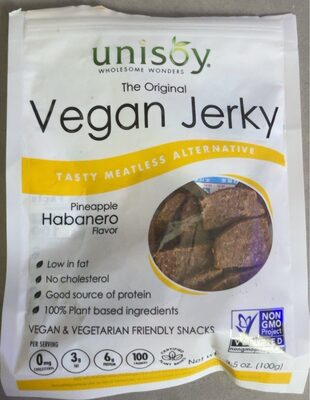 AFC Trading & Wholesale, Inc.
Pineapple Habanero Original Vegan Jerky, Pineapple Habanero
357kcal
21.4Protein
10.7Fat
42.9Carbs
VeggieLand, LLC
Korean BBQ Flavor Plant-Based Jerky, Korean BBQ
357kcal
21.4Protein
8.9Fat
50Carbs
VeggieLand, LLC
Black Pepper Flavor Plant-Based Jerky, Black Pepper
393kcal
21.4Protein
12.5Fat
46.4Carbs
AFC Trading & Wholesale, Inc.
Pineapple Habanero Original Vegan Jerky, Pineapple Habanero
357kcal
21.4Protein
10.7Fat
42.9Carbs
VeggieLand, LLC
Korean BBQ Flavor Plant-Based Jerky, Korean BBQ
357kcal
21.4Protein
8.9Fat
50Carbs
VeggieLand, LLC
Black Pepper Flavor Plant-Based Jerky, Black Pepper
393kcal
21.4Protein
12.5Fat
46.4Carbs
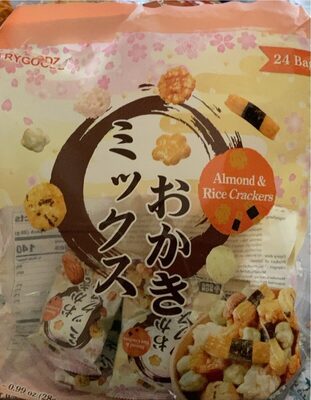 Tong Enterprises, Inc.
Almond & Rice Crackers, Almond & Rice
500kcal
10.7Protein
17.9Fat
71.4Carbs
Tong Enterprises, Inc.
Almond & Rice Crackers, Almond & Rice
464kcal
10.7Protein
17.9Fat
67.9Carbs
Tong Enterprises, Inc.
Almond & Rice Crackers, Almond & Rice
500kcal
10.7Protein
17.9Fat
71.4Carbs
Tong Enterprises, Inc.
Almond & Rice Crackers, Almond & Rice
464kcal
10.7Protein
17.9Fat
67.9Carbs