Lime Leaves
What is Lime Leaves?
Lime leaves are the fragrant leaves of the Kaffir lime tree, a citrus fruit native to Southeast Asia. The leaves are typically used fresh or dried and are known for their distinct, strong citrus aroma and flavor.
Is Lime Leaves vegan?
Lime Leaves is not animal-derived. Products that contain it can still include other animal-derived ingredients, so check the full ingredient list.
Is Lime Leaves gluten-free?
They do not contain gluten.
Is Lime Leaves a major allergen?
Lime leaves are not derived from any of the 9 FDA major allergens.
What is Lime Leaves used for?
Lime leaves are used to add a bright, citrusy flavor to dishes, particularly in Southeast Asian cuisines like Thai and Vietnamese cooking.
Is Lime Leaves safe?
Lime leaves are generally recognized as safe (GRAS) by the FDA when used as a food ingredient.
Why it's used
Lime leaves are used to add a bright, citrusy flavor to dishes, particularly in Southeast Asian cuisines like Thai and Vietnamese cooking. They are often added to curries, soups, stir-fries, and marinades, and are sometimes used to infuse oils or sauces.
Health notes
Lime leaves are generally recognized as safe (GRAS) by the FDA when used as a food ingredient. They are not typically consumed in large quantities, and no specific health concerns are associated with their use in food. International bodies like JECFA have evaluated lime and its derivatives, but no specific limits for lime leaves are commonly cited in regulatory contexts.
Allergen info
Lime leaves are not derived from any of the 9 FDA major allergens. They do not contain gluten.
Foods that contain Lime Leaves
Compare products →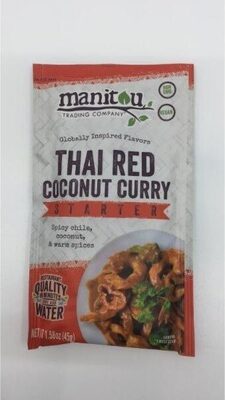



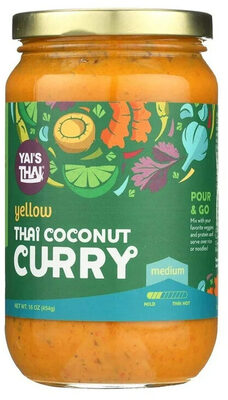

Learn more
Auto-generated content. This description was generated automatically and is pending editorial review. Inaccuracies are possible. Found a mistake? Contact us.