Lime Zest
What is Lime Zest?
Lime zest is the outer, brightly colored peel of a lime. It contains oils that give limes their distinct aroma and flavor. The zest is typically removed by grating or zesting the fruit.
Is Lime Zest vegan?
Lime Zest is not animal-derived. Products that contain it can still include other animal-derived ingredients, so check the full ingredient list.
Is Lime Zest gluten-free?
It does not contain gluten.
Is Lime Zest a major allergen?
Lime zest is not derived from any of the 9 FDA major allergens.
What is Lime Zest used for?
Lime zest is used to add a fresh, citrusy flavor and aroma to foods.
Is Lime Zest safe?
Lime zest is generally recognized as safe (GRAS) by the FDA when used as a flavoring.
Why it's used
Lime zest is used to add a fresh, citrusy flavor and aroma to foods. Manufacturers add it to a wide variety of products, including baked goods, desserts, sauces, marinades, and beverages. It is particularly common in dishes where a bright, tangy taste is desired.
Health notes
Lime zest is generally recognized as safe (GRAS) by the FDA when used as a flavoring. It contains natural compounds like limonene and flavonoids, which have been studied for potential antioxidant properties. International bodies like JECFA and EFSA have evaluated many natural flavoring substances, but specific evaluations for lime zest are not widely publicized. At typical consumption levels, it is not associated with adverse health effects.
Allergen info
Lime zest is not derived from any of the 9 FDA major allergens. It does not contain gluten.
Foods that contain Lime Zest
Compare products →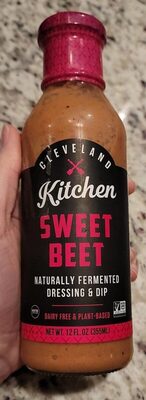

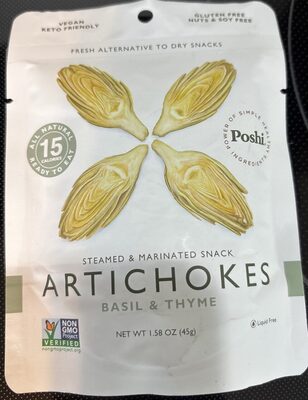


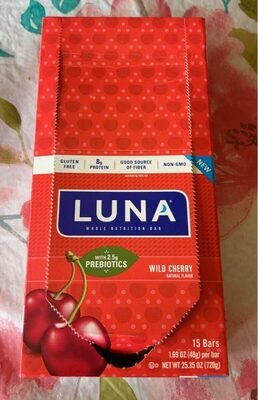
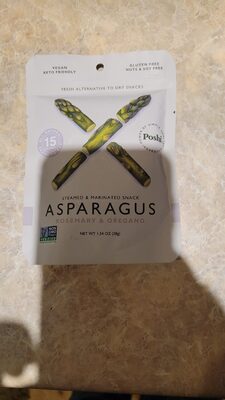
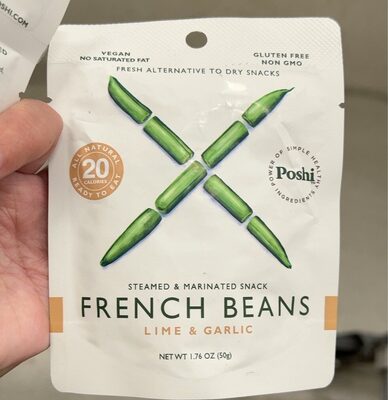
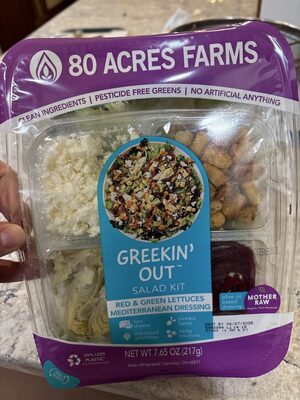

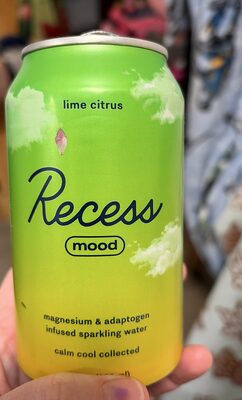
Learn more
Auto-generated content. This description was generated automatically and is pending editorial review. Inaccuracies are possible. Found a mistake? Contact us.