Liquid Cane Sugar
What is Liquid Cane Sugar?
Liquid cane sugar is a liquid sweetener made from sugarcane. It is essentially a simple syrup, created by dissolving granulated sugar in water. The process can also involve filtering and clarification to achieve a desired purity and color.
Is Liquid Cane Sugar vegan?
Liquid Cane Sugar is not animal-derived. Products that contain it can still include other animal-derived ingredients, so check the full ingredient list.
Is Liquid Cane Sugar a major allergen?
Not a major allergen.
What is Liquid Cane Sugar used for?
Manufacturers use liquid cane sugar primarily as a sweetener.
Is Liquid Cane Sugar safe?
Liquid cane sugar is recognized as safe (GRAS) by the FDA for use as a sweetener.
Why it's used
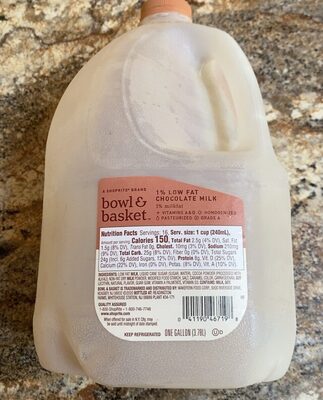
Manufacturers use liquid cane sugar primarily as a sweetener. Its liquid form makes it easy to incorporate into beverages, sauces, dressings, and baked goods. It is often found in products like marinades, barbecue sauces, and flavored milk.
Health notes
Liquid cane sugar is recognized as safe (GRAS) by the FDA for use as a sweetener. Like other sugars, excessive consumption can contribute to caloric intake and potential health concerns associated with high sugar diets. International bodies like JECFA have evaluated sugars and sweeteners, but specific evaluations for 'liquid cane sugar' as a distinct entity are not typically detailed separately from general sugar evaluations.
Allergen info
Not a major allergen. It is derived from sugarcane, which is not one of the nine major allergens.
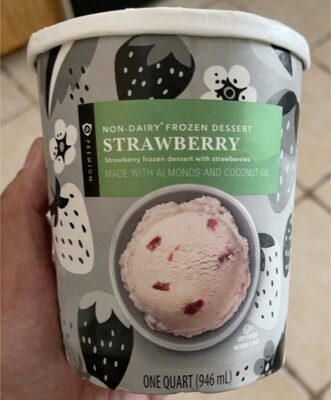
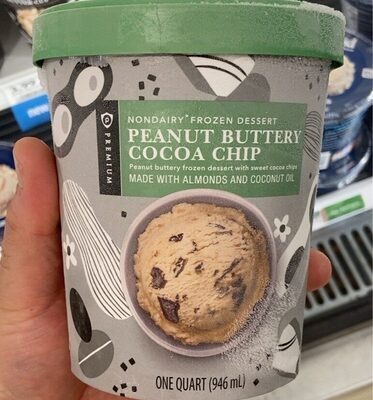
Foods that contain Liquid Cane Sugar
Compare products →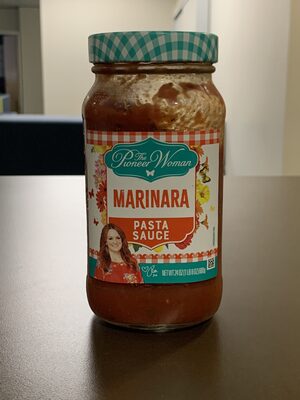


Learn more
Auto-generated content. This description was generated automatically and is pending editorial review. Inaccuracies are possible. Found a mistake? Contact us.