Living Bacterial Culture
What is Living Bacterial Culture?
Living bacterial cultures are live microorganisms, often bacteria, that are beneficial to health. They are naturally found in fermented foods and are also added to some foods as a functional ingredient. These cultures are typically grown in a controlled environment and then added to food products.
Is Living Bacterial Culture a major allergen?
Living bacterial cultures themselves are not typically derived from the major allergens.
What is Living Bacterial Culture used for?
Manufacturers add living bacterial cultures to foods like yogurt, kefir, and some fermented vegetables to enhance their probiotic content.
Is Living Bacterial Culture safe?
In the US, many common bacterial cultures used in foods are considered Generally Recognized As Safe (GRAS) by the FDA.
Why it's used
Manufacturers add living bacterial cultures to foods like yogurt, kefir, and some fermented vegetables to enhance their probiotic content. They can also contribute to the unique flavors and textures of fermented products. These cultures are most commonly found in dairy products and fermented foods.
Health notes
In the US, many common bacterial cultures used in foods are considered Generally Recognized As Safe (GRAS) by the FDA. These live cultures are often consumed for their potential benefits to gut health. International bodies like the European Food Safety Authority (EFSA) have also evaluated the safety of specific bacterial strains used in foods. While generally considered safe, research into the precise health effects of different strains is ongoing.
Allergen info
Living bacterial cultures themselves are not typically derived from the major allergens. However, if they are grown in a medium containing allergens (like dairy or soy), cross-contamination could be a concern. Not a major allergen.
Foods that contain Living Bacterial Culture
Compare products →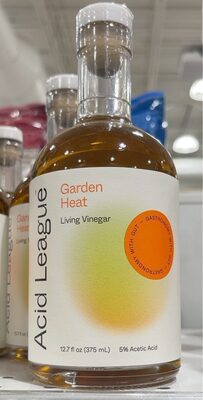
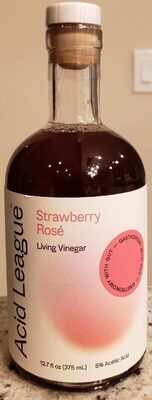
Auto-generated content. This description was generated automatically and is pending editorial review. Inaccuracies are possible. Found a mistake? Contact us.