Locust Bean Gum And Gellan Gum
What is Locust Bean Gum And Gellan Gum?
Locust bean gum is a dietary fiber derived from the seeds of the carob tree. Gellan gum is a polysaccharide produced by bacterial fermentation. Both are often used together as thickening and stabilizing agents.
Is Locust Bean Gum And Gellan Gum vegan?
Locust Bean Gum And Gellan Gum is not animal-derived. Products that contain it can still include other animal-derived ingredients, so check the full ingredient list.
Is Locust Bean Gum And Gellan Gum a major allergen?
Not a major allergen.
What is Locust Bean Gum And Gellan Gum used for?
These gums are used to improve the texture and consistency of foods, preventing separation and providing a smooth mouthfeel.
Is Locust Bean Gum And Gellan Gum safe?
Locust bean gum and gellan gum are generally recognized as safe (GRAS) by the FDA for use in food.
Why it's used
These gums are used to improve the texture and consistency of foods, preventing separation and providing a smooth mouthfeel. They are commonly found in dairy products, desserts, sauces, dressings, and beverages.
Health notes
Locust bean gum and gellan gum are generally recognized as safe (GRAS) by the FDA for use in food. They are considered dietary fibers and are not metabolized by the body. JECFA and EFSA have evaluated both substances and found them to be safe for consumption. No significant health concerns are associated with their typical use in food.
Allergen info
Not a major allergen. Locust bean gum is derived from a legume (carob tree), but it is not one of the top 9 major allergens. Gellan gum is produced through bacterial fermentation and does not contain allergens.
Foods that contain Locust Bean Gum And Gellan Gum
Compare products →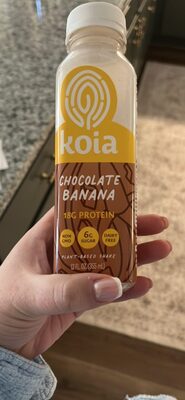
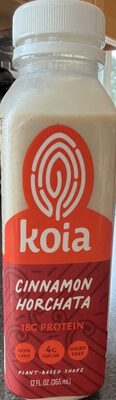
Learn more
Auto-generated content. This description was generated automatically and is pending editorial review. Inaccuracies are possible. Found a mistake? Contact us.