Low Fat Cocoa Processed With Alkali
Auto-generated content. This description was generated automatically and is pending editorial review. Inaccuracies are possible. Found a mistake? Contact us.
What it is
Cocoa processed with alkali, also known as Dutch-process cocoa, is cocoa powder treated with an alkaline solution to neutralize its acidity. This process changes the color to a darker brown and mellows the flavor, making it less bitter than natural cocoa. It is derived from cocoa beans.
Why it's used
Manufacturers use it to reduce bitterness and enhance the dark color of cocoa-based products. It is commonly found in baked goods like cookies and cakes, as well as in chocolate-flavored beverages, ice cream, and candy.
Health notes
Cocoa processed with alkali is generally recognized as safe (GRAS) by the FDA for use in food. Regulatory bodies like JECFA and EFSA have evaluated cocoa and cocoa products. While cocoa contains beneficial compounds like flavonoids, the alkalization process may reduce their levels. Evidence on the health effects of cocoa and its processed forms at typical dietary intake is mixed, with some studies suggesting potential benefits and others showing no significant effect.
Allergen info
Cocoa itself is not one of the 9 FDA major allergens, nor is it typically derived from them. It does not contain gluten.
Products containing Low Fat Cocoa Processed With Alkali
Compare products →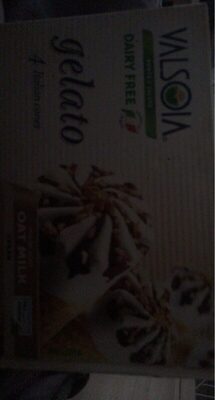 Alpine Carriers, Inc
Italian Cones Made With Oat Milk Gelato Non Dairy Frozen Dessert With Waffle, Italian Made With Oat Milk
High in saturated fat — 35% DV per serving
High in added sugars — 34% DV per serving
267kcal
2.7Protein
14.7Fat
30.7Carbs
Alpine Carriers, Inc
Cookies & Cream Flavor Gelato Non Dairy Frozen Dessert, Cookies & Cream
High in added sugars — 26% DV per serving
171kcal
1.4Protein
6.4Fat
25.7Carbs
Alpine Carriers, Inc
Italian Cones Made With Oat Milk Gelato Non Dairy Frozen Dessert With Waffle, Italian Made With Oat Milk
High in saturated fat — 35% DV per serving
High in added sugars — 34% DV per serving
267kcal
2.7Protein
14.7Fat
30.7Carbs
Alpine Carriers, Inc
Cookies & Cream Flavor Gelato Non Dairy Frozen Dessert, Cookies & Cream
High in added sugars — 26% DV per serving
171kcal
1.4Protein
6.4Fat
25.7Carbs
 Creative Confectionary Corporation
Chocolate Peppermint Bark Filled Marshmallows, Chocolate Peppermint Bark
High in added sugars — 22% DV per serving
333kcal
—Protein
8.3Fat
62.5Carbs
Wal-Mart Stores, Inc.
Chocolate Blackout Cake, Chocolate
416kcal
2.6Protein
20.8Fat
55.8Carbs
Creative Confectionary Corporation
Chocolate Peppermint Bark Filled Marshmallows, Chocolate Peppermint Bark
High in added sugars — 22% DV per serving
333kcal
—Protein
8.3Fat
62.5Carbs
Wal-Mart Stores, Inc.
Chocolate Blackout Cake, Chocolate
416kcal
2.6Protein
20.8Fat
55.8Carbs