Lulo
What is Lulo?
Lulo, also known as naranjilla, is a fruit native to northwestern South America. It has a tart, citrus-like flavor and is often used to make juices, jams, and desserts. The fruit is typically processed into a pulp or juice for use in food products.
Is Lulo vegan?
Lulo is not animal-derived. Products that contain it can still include other animal-derived ingredients, so check the full ingredient list.
Is Lulo gluten-free?
It does not contain gluten.
Is Lulo a major allergen?
Lulo is a fruit and is not derived from any of the 9 FDA major allergens.
What is Lulo used for?
Lulo is primarily used as a flavoring ingredient, adding a unique tart and citrusy taste to foods and beverages.
Is Lulo safe?
Lulo is generally recognized as safe for consumption as a food ingredient.
Why it's used
Lulo is primarily used as a flavoring ingredient, adding a unique tart and citrusy taste to foods and beverages. It is commonly found in fruit juices, smoothies, ice creams, and candies. Manufacturers use it to provide a distinct tropical flavor profile.
Health notes
Lulo is generally recognized as safe for consumption as a food ingredient. It is not subject to specific FDA regulations beyond general food safety requirements. While specific health studies on lulo consumption are limited, it is a source of vitamins and antioxidants. Regulatory bodies like EFSA have not issued specific evaluations for lulo as a food additive.
Allergen info
Lulo is a fruit and is not derived from any of the 9 FDA major allergens. It does not contain gluten.
Foods that contain Lulo
Compare products →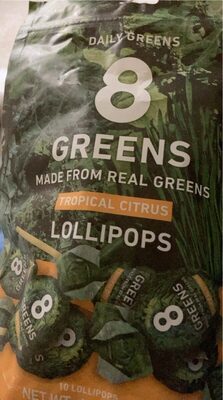
Auto-generated content. This description was generated automatically and is pending editorial review. Inaccuracies are possible. Found a mistake? Contact us.