Lycium Barbarum
What is Lycium Barbarum?
Goji berries are small, red berries native to Asia, particularly China. They are typically dried before being consumed or used as an ingredient, which concentrates their flavor and nutrients.
Is Lycium Barbarum vegan?
Lycium Barbarum is not animal-derived. Products that contain it can still include other animal-derived ingredients, so check the full ingredient list.
Is Lycium Barbarum gluten-free?
They do not contain gluten.
Is Lycium Barbarum a major allergen?
Goji berries are not one of the nine major allergens recognized by the FDA.
What is Lycium Barbarum used for?
Goji berries are often added to foods for their slightly sweet, tart flavor and chewy texture.
Is Lycium Barbarum safe?
Goji berries are generally recognized as safe (GRAS) by the FDA for use in food.
Why it's used
Goji berries are often added to foods for their slightly sweet, tart flavor and chewy texture. They are commonly found in snack mixes, cereals, baked goods, and beverages, where they can act as a natural sweetener and add visual appeal.
Health notes
Goji berries are generally recognized as safe (GRAS) by the FDA for use in food. They are a source of vitamins, minerals, and antioxidants. Some studies suggest potential benefits for eye health and immune function, but more research is needed. JECFA has evaluated goji berries and did not set a numeric limit. There are no widespread controversies regarding their consumption at typical dietary levels.
Allergen info
Goji berries are not one of the nine major allergens recognized by the FDA. They do not contain gluten.
Foods that contain Lycium Barbarum
Compare products →
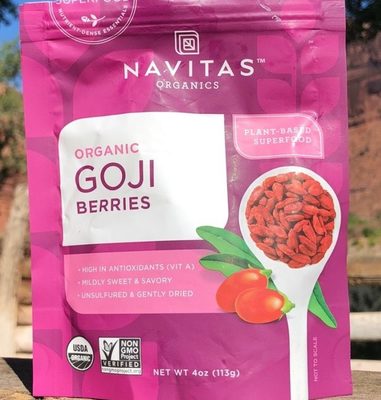
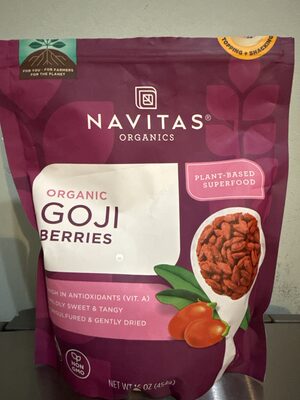
Auto-generated content. This description was generated automatically and is pending editorial review. Inaccuracies are possible. Found a mistake? Contact us.