Makrut Lime Leaves
What is Makrut Lime Leaves?
Makrut lime leaves are the fragrant leaves of the Makrut lime tree, a citrus fruit native to Southeast Asia. The leaves are typically used fresh or dried in cooking, imparting a distinct floral and citrus aroma.
Is Makrut Lime Leaves vegan?
Makrut Lime Leaves is not animal-derived. Products that contain it can still include other animal-derived ingredients, so check the full ingredient list.
Is Makrut Lime Leaves a major allergen?
Not a major allergen.
What is Makrut Lime Leaves used for?
Manufacturers use makrut lime leaves to add a bright, unique citrus flavor to foods.
Is Makrut Lime Leaves safe?
Makrut lime leaves are generally recognized as safe (GRAS) by the FDA for use as a flavoring.
Why it's used
Manufacturers use makrut lime leaves to add a bright, unique citrus flavor to foods. They are commonly found in Thai, Indonesian, and other Southeast Asian cuisines, appearing in dishes like curries, soups, stir-fries, and marinades.
Health notes
Makrut lime leaves are generally recognized as safe (GRAS) by the FDA for use as a flavoring. They are a natural plant product and are not typically associated with adverse health effects when consumed in amounts found in food. Regulatory bodies like JECFA and EFSA have not specifically evaluated makrut lime leaves as a food additive, as they are used as a culinary ingredient rather than a processed additive.
Allergen info
Not a major allergen.
Foods that contain Makrut Lime Leaves
Compare products →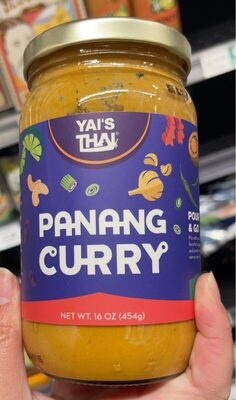 Yai's Thai, LLC
Mild Panang Curry, Mild
High in saturated fat — 20% DV per serving
123kcal
3.5Protein
7.9Fat
12.3Carbs
Yai's Thai, LLC
Mild Panang Curry, Mild
High in saturated fat — 20% DV per serving
123kcal
3.5Protein
7.9Fat
12.3Carbs
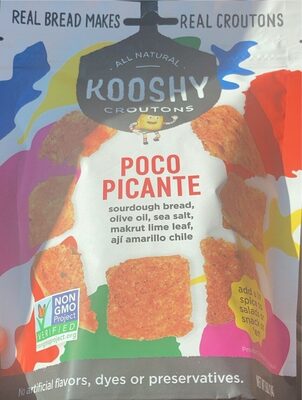 Kooshy Inc.
Poco Picante Chili & Lime Sourdough Bread Croutons, Chili; Lime
429kcal
14.3Protein
14.3Fat
57.1Carbs
Kooshy Inc.
Poco Picante Chili & Lime Sourdough Bread Croutons, Chili; Lime
429kcal
14.3Protein
14.3Fat
57.1Carbs
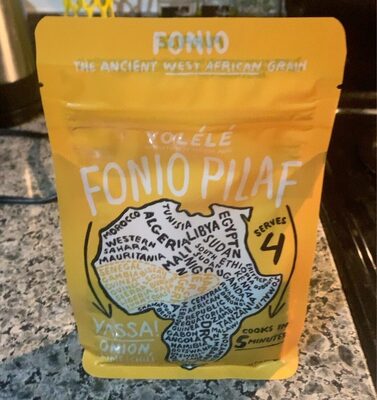 Woodland Foods
Onion, Lime & Chili Fonio Pilaf, Onion, Lime & Chili
356kcal
8.9Protein
1.1Fat
77.8Carbs
Woodland Foods
Onion, Lime & Chili Fonio Pilaf, Onion, Lime & Chili
356kcal
8.9Protein
1.1Fat
77.8Carbs
Learn more
Auto-generated content. This description was generated automatically and is pending editorial review. Inaccuracies are possible. Found a mistake? Contact us.