Malanga
What is Malanga?
Malanga is a starchy root vegetable, similar to taro or yam, native to tropical regions. It has a slightly nutty flavor and a creamy texture when cooked. It is typically peeled and then boiled, baked, fried, or mashed.
Is Malanga vegan?
Malanga is not animal-derived. Products that contain it can still include other animal-derived ingredients, so check the full ingredient list.
Is Malanga gluten-free?
It does not contain gluten.
Is Malanga a major allergen?
Malanga is not one of the nine major allergens recognized by the FDA.
What is Malanga used for?
Malanga is often used as a carbohydrate source in dishes, similar to potatoes.
Is Malanga safe?
Malanga is a source of carbohydrates, fiber, and some vitamins and minerals.
Why it's used
Malanga is often used as a carbohydrate source in dishes, similar to potatoes. In packaged foods, it's commonly found in snack items like chips and fries, or as a component in vegetable mixes and frozen meals. Its starchy nature makes it suitable for frying and baking.
Health notes
Malanga is a source of carbohydrates, fiber, and some vitamins and minerals. It is generally recognized as safe for consumption. Regulatory bodies like the FDA have not raised specific concerns about malanga as a food ingredient. No specific ADI or upper intake limits have been set by international bodies like JECFA or EFSA, as it is considered a whole food.
Allergen info
Malanga is not one of the nine major allergens recognized by the FDA. It does not contain gluten.
Foods that contain Malanga
Compare products →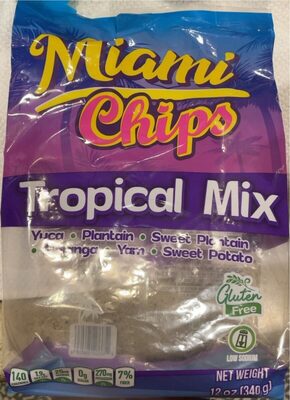
Auto-generated content. This description was generated automatically and is pending editorial review. Inaccuracies are possible. Found a mistake? Contact us.