Maltitol
What is Maltitol?
Maltitol is a sugar alcohol, which is a type of carbohydrate. It is produced from maltose, a sugar found in starch, often from corn or wheat. The process involves hydrogenation, which chemically changes maltose into maltitol.
Is Maltitol vegan?
Maltitol is not animal-derived. Products that contain it can still include other animal-derived ingredients, so check the full ingredient list.
Is Maltitol a major allergen?
Not a major allergen.
What is Maltitol used for?
Manufacturers add maltitol primarily as a sugar substitute because it provides sweetness with fewer calories than sugar.
Is Maltitol safe?
The U.S. Food and Drug Administration (FDA) generally recognizes maltitol as safe (GRAS).
Why it's used
Manufacturers add maltitol primarily as a sugar substitute because it provides sweetness with fewer calories than sugar. It is commonly found in sugar-free candies, chocolates, baked goods, and chewing gum. Besides sweetness, it also helps improve the texture and mouthfeel of foods.
Health notes
The U.S. Food and Drug Administration (FDA) generally recognizes maltitol as safe (GRAS). Like other sugar alcohols, consuming large amounts of maltitol can lead to gastrointestinal discomfort such as bloating, gas, or diarrhea. The Joint FAO/WHO Expert Committee on Food Additives (JECFA) has evaluated maltitol and determined that an acceptable daily intake (ADI) does not need to be specified, meaning it is considered safe when used according to good manufacturing practices.
Allergen info
Not a major allergen.
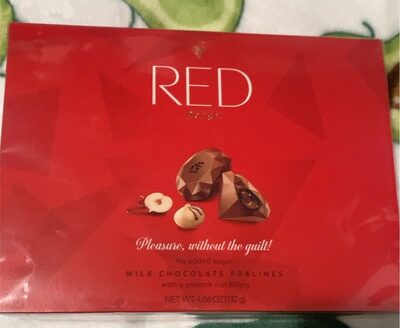
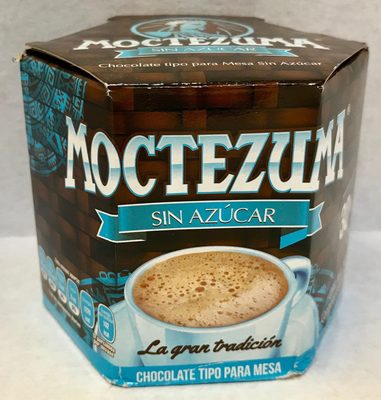
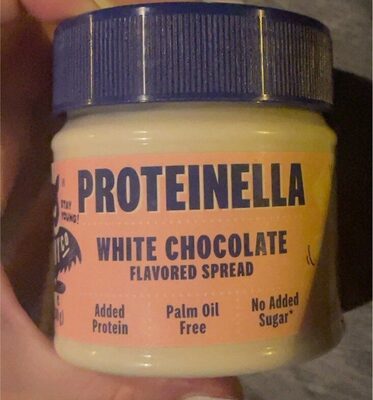
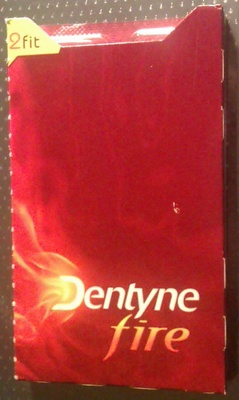
Foods that contain Maltitol
Compare products →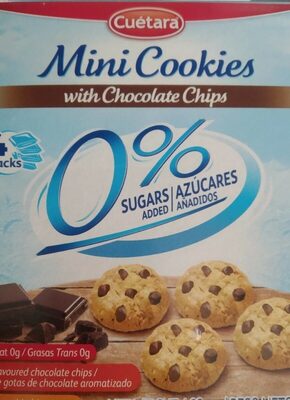
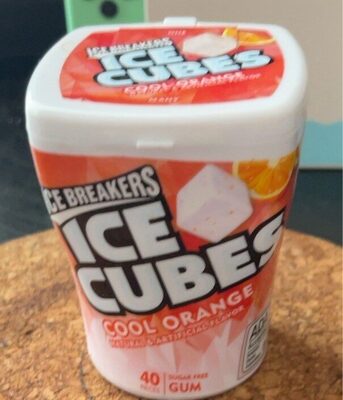
 Kellogg Company US
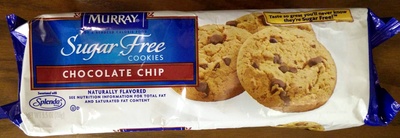
Murray Sugar Free Cookies Chocolate Chip 5.5oz
475kcal
4.9Protein
27Fat
64.1Carbs
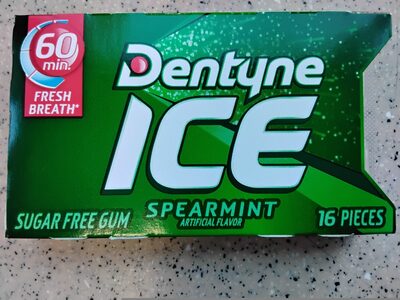
Learn more
Auto-generated content. This description was generated automatically and is pending editorial review. Inaccuracies are possible. Found a mistake? Contact us.