Maltodextrin Silicon Dioxide
What is Maltodextrin Silicon Dioxide?
Maltodextrin is a complex carbohydrate made from corn, rice, potato starch, or wheat. It is produced by breaking down starches through a process called hydrolysis. It appears as a white powder.
Is Maltodextrin Silicon Dioxide vegan?
Maltodextrin Silicon Dioxide is not animal-derived. Products that contain it can still include other animal-derived ingredients, so check the full ingredient list.
Is Maltodextrin Silicon Dioxide gluten-free?
If derived from wheat, it may contain gluten, but the processing typically removes gluten proteins.
Is Maltodextrin Silicon Dioxide a major allergen?
Maltodextrin is not a major allergen.
What is Maltodextrin Silicon Dioxide used for?
Maltodextrin is often used as a thickener or filler ingredient to add bulk to processed foods.
Is Maltodextrin Silicon Dioxide safe?
Maltodextrin is generally recognized as safe (GRAS) by the FDA.
Why it's used
Maltodextrin is often used as a thickener or filler ingredient to add bulk to processed foods. It can also act as a sweetener and a carrier for flavors and colors. You'll find it in powdered drink mixes, baked goods, snacks, and sauces.
Health notes
Maltodextrin is generally recognized as safe (GRAS) by the FDA. It is a carbohydrate that can raise blood sugar levels, similar to other starches. JECFA and EFSA have evaluated maltodextrin and found it to be safe for consumption. Some research suggests it may affect gut bacteria, but more studies are needed.
Allergen info
Maltodextrin is not a major allergen. If derived from wheat, it may contain gluten, but the processing typically removes gluten proteins.
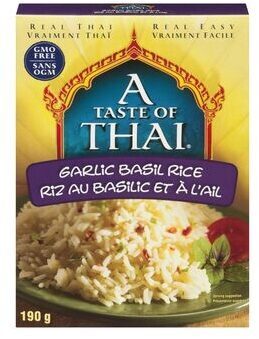
Foods that contain Maltodextrin Silicon Dioxide
Compare products →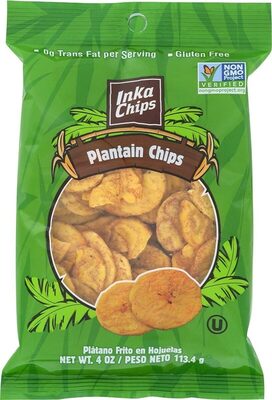
Auto-generated content. This description was generated automatically and is pending editorial review. Inaccuracies are possible. Found a mistake? Contact us.