Maltodextrin1
What is Maltodextrin1?
Maltodextrin is a polysaccharide, a type of carbohydrate, made from starch. It is typically derived from corn, rice, potato, or wheat starch. The starch is broken down through a process called hydrolysis, resulting in a white powder that dissolves easily in water.
Is Maltodextrin1 vegan?
Maltodextrin1 is not animal-derived. Products that contain it can still include other animal-derived ingredients, so check the full ingredient list.
Is Maltodextrin1 gluten-free?
If derived from wheat, it is highly purified, and gluten is typically removed to negligible levels, but those with severe gluten sensitivity should check product labels.
Is Maltodextrin1 a major allergen?
Maltodextrin is not a major allergen.
What is Maltodextrin1 used for?
Manufacturers add maltodextrin as a thickener, a bulking agent, or a sweetener.
Is Maltodextrin1 safe?
Maltodextrin is generally recognized as safe (GRAS) by the FDA.
Why it's used
Manufacturers add maltodextrin as a thickener, a bulking agent, or a sweetener. It helps improve the texture and mouthfeel of foods. You can find it in a wide variety of processed foods, including baked goods, sauces, dressings, and powdered drink mixes.
Health notes
Maltodextrin is generally recognized as safe (GRAS) by the FDA. It is a carbohydrate that can raise blood sugar levels, so individuals managing diabetes may need to be mindful of its presence in foods. JECFA and EFSA have evaluated maltodextrin and found it to be safe for consumption. No significant health controversies are associated with its use at typical levels.
Allergen info
Maltodextrin is not a major allergen. If derived from wheat, it is highly purified, and gluten is typically removed to negligible levels, but those with severe gluten sensitivity should check product labels.
Foods that contain Maltodextrin1
Compare products →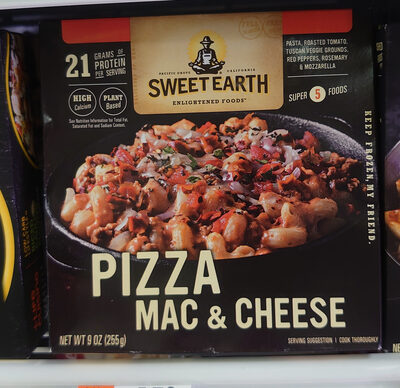 Sweet Earth Natural Foods
Pizza Mac & Cheese Pasta, Roasted Tomato, Tuscan Veggie Grounds, Red Peppers, Rosemary & Mozzarella, Pizza Mac & Cheese
High in sodium — 21% DV per serving
High in saturated fat — 40% DV per serving
145kcal
8.2Protein
6.3Fat
14.1Carbs
Sweet Earth Natural Foods
The Mayan Black Beans, Purple Cabbage, Cotija Cheese & Tangy Salsa Burrito, The Mayan
159kcal
7.7Protein
5.3Fat
20Carbs
Sweet Earth Natural Foods
Curry Cauliflower With Forbidden Rice Made With Organic Tofu And Cauliflower, Curry Cauliflower
High in sodium — 25% DV per serving
High in saturated fat — 45% DV per serving
114kcal
4.7Protein
5.5Fat
11.8Carbs
Sweet Earth Natural Foods
Filipino Adobo Chik'N Made With Organic Kabocha Squash, Purple Sweet Potatoes, & Green Beans, Filipino Adobo Chik'N
High in sodium — 26% DV per serving
71kcal
5.0Protein
1.0Fat
9.5Carbs
Sweet Earth Natural Foods
Pizza Mac & Cheese Pasta, Roasted Tomato, Tuscan Veggie Grounds, Red Peppers, Rosemary & Mozzarella, Pizza Mac & Cheese
High in sodium — 21% DV per serving
High in saturated fat — 40% DV per serving
145kcal
8.2Protein
6.3Fat
14.1Carbs
Sweet Earth Natural Foods
The Mayan Black Beans, Purple Cabbage, Cotija Cheese & Tangy Salsa Burrito, The Mayan
159kcal
7.7Protein
5.3Fat
20Carbs
Sweet Earth Natural Foods
Curry Cauliflower With Forbidden Rice Made With Organic Tofu And Cauliflower, Curry Cauliflower
High in sodium — 25% DV per serving
High in saturated fat — 45% DV per serving
114kcal
4.7Protein
5.5Fat
11.8Carbs
Sweet Earth Natural Foods
Filipino Adobo Chik'N Made With Organic Kabocha Squash, Purple Sweet Potatoes, & Green Beans, Filipino Adobo Chik'N
High in sodium — 26% DV per serving
71kcal
5.0Protein
1.0Fat
9.5Carbs
Learn more
Auto-generated content. This description was generated automatically and is pending editorial review. Inaccuracies are possible. Found a mistake? Contact us.