Matcha Tea
Auto-generated content. This description was generated automatically and is pending editorial review. Inaccuracies are possible. Found a mistake? Contact us.
What it is
Matcha is a finely ground powder made from specially grown and processed green tea leaves. The tea plants are shade-grown for several weeks before harvest, and the stems and veins are removed before grinding. This process gives matcha its vibrant green color and unique flavor.
Why it's used
Matcha is primarily used as a flavoring and coloring agent in a variety of food and beverage products. Its distinct taste and bright green hue make it popular in items like iced teas, lattes, baked goods, ice cream, and candies. It is also valued for its antioxidant properties.
Health notes
Matcha is generally recognized as safe (GRAS) by the FDA when used as a food ingredient. It is a source of antioxidants, particularly catechins like EGCG, which have been studied for potential health benefits. JECFA has evaluated green tea and its extracts, and EFSA has also assessed green tea catechins. While generally considered safe, high consumption of concentrated green tea extracts has been linked to liver concerns in some rare cases, though this is not typically associated with levels found in most foods.
Allergen info
Matcha is not derived from any of the nine FDA major allergens. It does not contain gluten.
Products containing Matcha Tea
Compare products →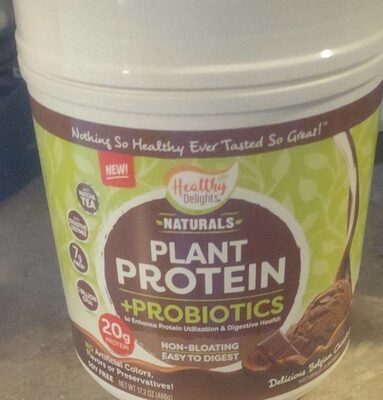 Health & Nutrition Systems International., Inc.
Soy Free Delicious Belgian Chocolate Plant Protein +Probiotics, Delicious Belgian Chocolate
348kcal
41.0Protein
8.2Fat
34.8Carbs
Know Brainer Foods LLC
Ketogenic Matcha Tea
High in saturated fat — 80% DV per serving
677kcal
9.7Protein
61.3Fat
19.4Carbs
Misha, LLC
Matcha Green Tea European Style Quark, Matcha Green Tea
High in saturated fat — 20% DV per serving
107kcal
10Protein
4Fat
8.7Carbs
Matchaah, Inc.
Carbonated Matcha Tea, Mango
High in added sugars — 42% DV per serving
25kcal
0Protein
0Fat
6.5Carbs
MatchaBar LLC
Iced Matcha Tea, White Peach
24kcal
0.3Protein
0Fat
5.4Carbs
Sincerely Tea Inc
Matcha Pineapple + Antioxidants Sparkling Superherb Infusion, Matcha Pineapple
6kcal
0.2Protein
0Fat
1.5Carbs
Cambiaso Hermanos S.A.C.
Green Tea With Matcha Tea Bags, Green Tea
0kcal
0Protein
0Fat
0Carbs
Matchaah, Inc.
A Refreshing Carbonated Matcha Tea, Raspberry
High in added sugars — 42% DV per serving
25kcal
0Protein
0Fat
6.4Carbs
Health & Nutrition Systems International., Inc.
Naturals Plant Protein +Probiotics To Enhance Protein Utilization & Digestive Health, Delicious Vanilla Chai
334kcal
44.5Protein
5.6Fat
35.6Carbs
Health & Nutrition Systems International., Inc.
Soy Free Delicious Belgian Chocolate Plant Protein +Probiotics, Delicious Belgian Chocolate
348kcal
41.0Protein
8.2Fat
34.8Carbs
Know Brainer Foods LLC
Ketogenic Matcha Tea
High in saturated fat — 80% DV per serving
677kcal
9.7Protein
61.3Fat
19.4Carbs
Misha, LLC
Matcha Green Tea European Style Quark, Matcha Green Tea
High in saturated fat — 20% DV per serving
107kcal
10Protein
4Fat
8.7Carbs
Matchaah, Inc.
Carbonated Matcha Tea, Mango
High in added sugars — 42% DV per serving
25kcal
0Protein
0Fat
6.5Carbs
MatchaBar LLC
Iced Matcha Tea, White Peach
24kcal
0.3Protein
0Fat
5.4Carbs
Sincerely Tea Inc
Matcha Pineapple + Antioxidants Sparkling Superherb Infusion, Matcha Pineapple
6kcal
0.2Protein
0Fat
1.5Carbs
Cambiaso Hermanos S.A.C.
Green Tea With Matcha Tea Bags, Green Tea
0kcal
0Protein
0Fat
0Carbs
Matchaah, Inc.
A Refreshing Carbonated Matcha Tea, Raspberry
High in added sugars — 42% DV per serving
25kcal
0Protein
0Fat
6.4Carbs
Health & Nutrition Systems International., Inc.
Naturals Plant Protein +Probiotics To Enhance Protein Utilization & Digestive Health, Delicious Vanilla Chai
334kcal
44.5Protein
5.6Fat
35.6Carbs