Matzah Meal
What is Matzah Meal?
Matzah meal is a type of flour made from unleavened bread, traditionally matzah. It is produced by baking thin sheets of dough made from flour and water, and then grinding the baked matzah into a coarse meal. This process results in a dry, crumbly ingredient.
Is Matzah Meal vegan?
Matzah Meal is not animal-derived. Products that contain it can still include other animal-derived ingredients, so check the full ingredient list.
Is Matzah Meal gluten-free?
It also contains gluten.
Is Matzah Meal a major allergen?
Matzah meal is derived from wheat, which is one of the 9 major allergens.
What is Matzah Meal used for?
Matzah meal is primarily used as a binder and thickener in foods like gefilte fish, matzah balls, and kugel.
Is Matzah Meal safe?
Matzah meal is generally recognized as safe (GRAS) by the FDA for food use.
Why it's used
Matzah meal is primarily used as a binder and thickener in foods like gefilte fish, matzah balls, and kugel. Its absorbent texture makes it suitable for binding ingredients in patties and dumplings. It is also used in some baked goods, particularly those following traditional Jewish recipes.
Health notes
Matzah meal is generally recognized as safe (GRAS) by the FDA for food use. It is a source of carbohydrates and provides some fiber, depending on the type of flour used. Regulatory bodies like JECFA and EFSA have not specifically evaluated matzah meal as a distinct ingredient, but its components are widely studied. Typical consumption as part of a balanced diet is not associated with adverse health effects.
Allergen info
Matzah meal is derived from wheat, which is one of the 9 major allergens. It also contains gluten.
Foods that contain Matzah Meal
Compare products →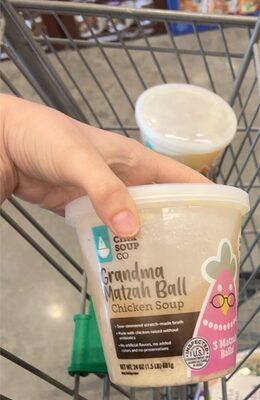 Prescription Chicken
Grandma Matzah Ball Chicken Soup, Grandma Matzah Ball
High in cholesterol — 30% DV per serving
53kcal
4.9Protein
2.0Fat
5.7Carbs
A & B Famous Gefilte Fish, Inc.
Homestyle Sweet Gefilte Fish
High in sodium — 48% DV per serving
150kcal
11Protein
6Fat
12Carbs
A & B Famous Gefilte Fish, Inc.
Sugar Free Homestyle Gefilte Fish
164kcal
10.9Protein
10.9Fat
7.3Carbs
Flaums Appetizing Corp.
Traditional Matzah Ball Soup, Traditional Matzah Ball
High in sodium — 20% DV per serving
20kcal
0.4Protein
1.1Fat
2.2Carbs
Prescription Chicken
Grandma Matzah Ball Chicken Soup, Grandma Matzah Ball
High in cholesterol — 30% DV per serving
53kcal
4.9Protein
2.0Fat
5.7Carbs
A & B Famous Gefilte Fish, Inc.
Homestyle Sweet Gefilte Fish
High in sodium — 48% DV per serving
150kcal
11Protein
6Fat
12Carbs
A & B Famous Gefilte Fish, Inc.
Sugar Free Homestyle Gefilte Fish
164kcal
10.9Protein
10.9Fat
7.3Carbs
Flaums Appetizing Corp.
Traditional Matzah Ball Soup, Traditional Matzah Ball
High in sodium — 20% DV per serving
20kcal
0.4Protein
1.1Fat
2.2Carbs
Learn more
Auto-generated content. This description was generated automatically and is pending editorial review. Inaccuracies are possible. Found a mistake? Contact us.