Milkfat Soy Lecithin
Auto-generated content. This description was generated automatically and is pending editorial review. Inaccuracies are possible. Found a mistake? Contact us.
What it is
Milkfat soy lecithin is a food additive made from soy lecithin, which is derived from soybeans, and milkfat, which comes from milk. It is created by processing soybeans to extract lecithin and then combining it with milkfat. This ingredient acts as an emulsifier, helping to blend oil and water-based ingredients.
Why it's used
Manufacturers add milkfat soy lecithin to foods to improve texture and stability, preventing ingredients from separating. It is commonly found in baked goods like cookies and biscuits, as well as in ice cream and nut butters, where it helps create a smoother, more uniform product.
Health notes
Milkfat soy lecithin is generally recognized as safe (GRAS) by the FDA for use in food. Regulatory bodies like JECFA and EFSA have evaluated lecithin, and it is widely used globally. At typical consumption levels found in food, it is not associated with adverse health effects. Research on soy-derived ingredients sometimes notes potential allergen concerns for sensitive individuals, but milkfat soy lecithin is not typically a focus of major health controversies.
Allergen info
Milkfat soy lecithin contains soy, which is one of the 9 FDA major allergens. It also contains milkfat, which is derived from milk, another major allergen.
Products containing Milkfat Soy Lecithin
Compare products →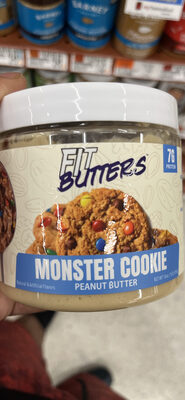 Hubert Farms
Monster Cookie Peanut Butter, Monster Cookie
High in saturated fat — 20% DV per serving
606kcal
21.2Protein
45.5Fat
21.2Carbs
Hubert Farms
Monster Cookie Peanut Butter, Monster Cookie
High in saturated fat — 20% DV per serving
606kcal
21.2Protein
45.5Fat
21.2Carbs