Mirin Rice Wine
What is Mirin Rice Wine?
Mirin is a Japanese rice wine that is a staple in Japanese cooking. It is made from glutinous rice, rice koji (a mold), and water, and is fermented for several weeks. The fermentation process creates a sweet, mild flavor and a syrupy consistency.
Is Mirin Rice Wine vegan?
Mirin Rice Wine is not animal-derived. Products that contain it can still include other animal-derived ingredients, so check the full ingredient list.
Is Mirin Rice Wine gluten-free?
It does not contain gluten.
Is Mirin Rice Wine a major allergen?
Mirin is derived from rice, which is not one of the 9 major allergens.
What is Mirin Rice Wine used for?
Mirin is used as a sweetener and flavoring agent in many Japanese dishes.
Is Mirin Rice Wine safe?
Mirin is generally recognized as safe (GRAS) by the FDA when used as a food ingredient.
Why it's used
Mirin is used as a sweetener and flavoring agent in many Japanese dishes. It adds a subtle sweetness and a glossy sheen to glazes, sauces, and marinades. It is commonly found in teriyaki sauces, stir-fries, and simmered dishes.
Health notes
Mirin is generally recognized as safe (GRAS) by the FDA when used as a food ingredient. It contains alcohol, but the amount is typically very low in finished products due to evaporation during cooking. JECFA has evaluated mirin and did not set a numeric limit (ADI not specified). No significant health controversies are associated with its typical use in food.
Allergen info
Mirin is derived from rice, which is not one of the 9 major allergens. It does not contain gluten.
Foods that contain Mirin Rice Wine
Compare products →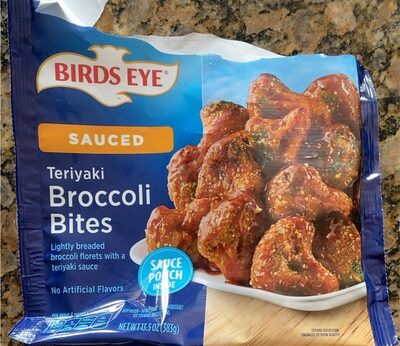 Pinnacle Foods Group LLC
Teriyaki Lightly Breaded Broccoli Florets With A Teriyaki Sauce Broccoli Bites Sauced, Teriyaki
High in sodium — 29% DV per serving
175kcal
3.2Protein
7.1Fat
23.8Carbs
Pinnacle Foods Group LLC
Teriyaki Lightly Breaded Broccoli Florets With A Teriyaki Sauce Broccoli Bites Sauced, Teriyaki
High in sodium — 29% DV per serving
175kcal
3.2Protein
7.1Fat
23.8Carbs
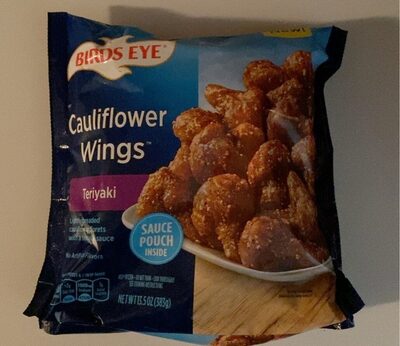 Conagra Brands, Inc
Birds Eye Teriyaki Cauliflower Wings, Frozen Vegetable, 13.5 OZ Bag
High in sodium — 30% DV per serving
175kcal
3.2Protein
7.1Fat
24.6Carbs
FishPeople, Inc
Teriyaki Ginger Keta Salmon
High in sodium — 22% DV per serving
High in cholesterol — 33% DV per serving
129kcal
16.5Protein
3.5Fat
7.1Carbs
Conagra Brands, Inc
Birds Eye Teriyaki Cauliflower Wings, Frozen Vegetable, 13.5 OZ Bag
High in sodium — 30% DV per serving
175kcal
3.2Protein
7.1Fat
24.6Carbs
FishPeople, Inc
Teriyaki Ginger Keta Salmon
High in sodium — 22% DV per serving
High in cholesterol — 33% DV per serving
129kcal
16.5Protein
3.5Fat
7.1Carbs
Learn more
Auto-generated content. This description was generated automatically and is pending editorial review. Inaccuracies are possible. Found a mistake? Contact us.