Miso Paste
What is Miso Paste?
Miso paste is a traditional Japanese seasoning made from fermented soybeans, often with rice, barley, or other grains. The fermentation process, typically involving a mold called Aspergillus oryzae (koji), gives miso its characteristic salty, umami flavor and paste-like consistency.
Is Miso Paste vegan?
Miso Paste is not animal-derived. Products that contain it can still include other animal-derived ingredients, so check the full ingredient list.
Is Miso Paste gluten-free?
If made with barley, it may also contain gluten.
Is Miso Paste a major allergen?
Miso paste is derived from soybeans, which are one of the FDA's nine major allergens.
What is Miso Paste used for?
Manufacturers use miso paste primarily as a flavoring agent to add a deep, savory, and slightly sweet taste to foods.
Is Miso Paste safe?
Miso paste is generally recognized as safe (GRAS) by the FDA for use in food.
Why it's used
Manufacturers use miso paste primarily as a flavoring agent to add a deep, savory, and slightly sweet taste to foods. It is commonly found in Japanese cuisine, such as soups, marinades, and dressings, but is also used in sauces, glazes, and even baked goods for its complex flavor profile.
Health notes
Miso paste is generally recognized as safe (GRAS) by the FDA for use in food. It is a source of probiotics, which may support gut health, and contains various vitamins and minerals. JECFA has evaluated miso and found it safe for consumption. Some research suggests that fermented soy products like miso may have health benefits, but more studies are needed to confirm these effects.
Allergen info
Miso paste is derived from soybeans, which are one of the FDA's nine major allergens. If made with barley, it may also contain gluten.
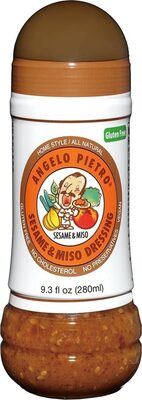
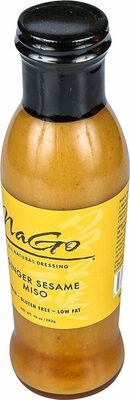
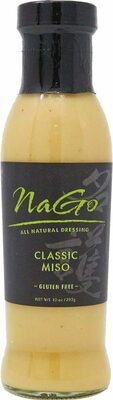
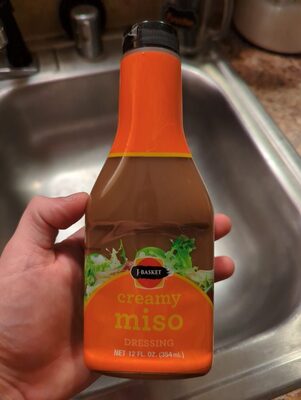
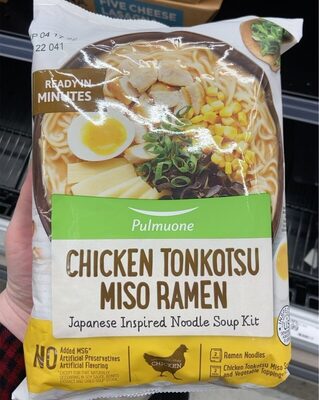
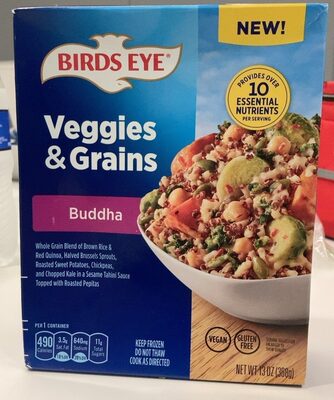
Foods that contain Miso Paste
Compare products →
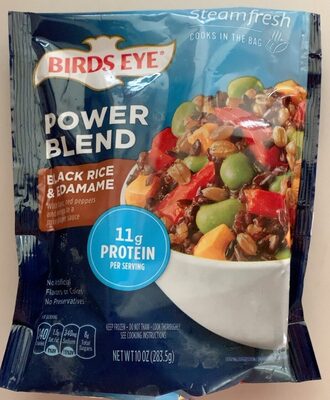
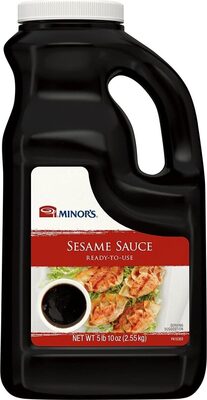

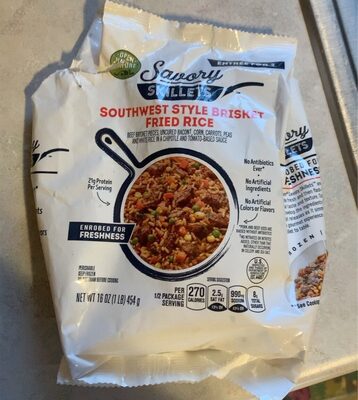
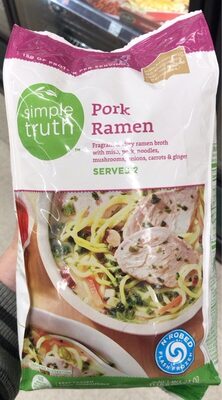






Learn more
Auto-generated content. This description was generated automatically and is pending editorial review. Inaccuracies are possible. Found a mistake? Contact us.