Mixture Of Vegetable Oils
Auto-generated content. This description was generated automatically and is pending editorial review. Inaccuracies are possible. Found a mistake? Contact us.
What it is
A mixture of vegetable oils is a blend of two or more refined oils derived from plants. These oils can come from various sources like soybeans, corn, canola, sunflower, or palm. The specific combination is chosen by the food manufacturer to achieve desired taste, texture, and stability in the final product.
Why it's used
Manufacturers use mixtures of vegetable oils to improve mouthfeel, act as a carrier for flavors, and prevent ingredients from separating. They are commonly found in processed foods such as baked goods, snacks, dressings, and frozen meals, where they contribute to the overall texture and shelf life.
Health notes
Mixtures of vegetable oils are generally recognized as safe (GRAS) by the FDA for use in food. The health effects depend on the specific oils used and the overall dietary pattern. Some vegetable oils are sources of essential fatty acids, while others may be high in saturated or trans fats depending on processing. Regulatory bodies like JECFA and EFSA have evaluated various vegetable oils.
Allergen info
Depending on the specific oils used, mixtures can be derived from major allergens like soy or tree nuts. Manufacturers must declare the presence of major allergens on the ingredient list. Gluten is not typically associated with vegetable oils unless cross-contamination occurs.
Products containing Mixture Of Vegetable Oils
Compare products →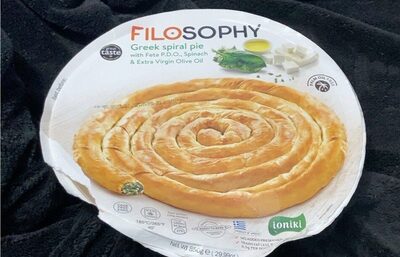 Allure Pet Products LLC
Feta P.D.O. Spinach & Extra Virgin Olive Oil Greek Spiral Pie
High in sodium — 21% DV per serving
High in saturated fat — 22% DV per serving
283kcal
6.7Protein
15Fat
30.8Carbs
Allure Pet Products LLC
Feta P.D.O. Spinach & Extra Virgin Olive Oil Greek Spiral Pie
High in sodium — 21% DV per serving
High in saturated fat — 22% DV per serving
283kcal
6.7Protein
15Fat
30.8Carbs