Modified Resistant Tapioca Starch
Auto-generated content. This description was generated automatically and is pending editorial review. Inaccuracies are possible. Found a mistake? Contact us.
What it is
Modified resistant tapioca starch is a type of carbohydrate derived from the tapioca root, a plant native to South America. It is processed to change its structure, making it more resistant to digestion in the small intestine. This resistance allows it to function similarly to dietary fiber.
Why it's used
Manufacturers use modified resistant tapioca starch as a source of dietary fiber and to improve the texture and mouthfeel of foods. It can also act as a bulking agent. It is commonly found in baked goods like croissants, sweet rolls, and muffins, as well as snacks such as popcorn and peanuts.
Health notes
Modified resistant tapioca starch is generally recognized as safe (GRAS) by the FDA for use in food. As a resistant starch, it is fermented by bacteria in the large intestine, which can produce beneficial short-chain fatty acids. Regulatory bodies like JECFA and EFSA have evaluated resistant starches, generally recognizing their role as a source of fiber. Evidence suggests it may have a lower impact on blood sugar levels compared to regular starches.
Allergen info
Modified resistant tapioca starch is not derived from any of the 9 FDA major allergens. It does not contain gluten.
Products containing Modified Resistant Tapioca Starch
Compare products →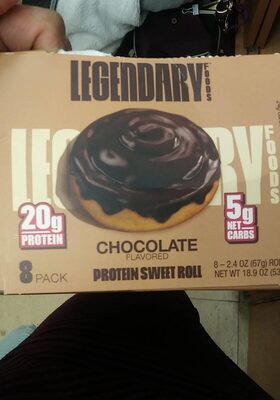 Legendary Foods LLC
Chocolate Protein Sweet Roll, Chocolate
328kcal
29.9Protein
17.9Fat
35.8Carbs
Legendary Foods LLC
Wild Berry Flavored Protein Sweet Rolls, Wild Berry
297kcal
31.2Protein
12.5Fat
35.9Carbs
Legendary Foods LLC
Chocolate Protein Sweet Roll, Chocolate
328kcal
29.9Protein
17.9Fat
35.8Carbs
Legendary Foods LLC
Wild Berry Flavored Protein Sweet Rolls, Wild Berry
297kcal
31.2Protein
12.5Fat
35.9Carbs
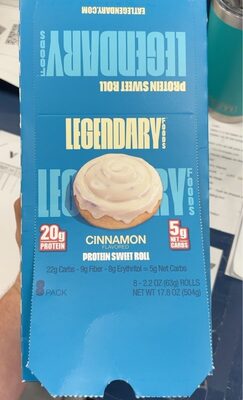 Legendary Foods LLC
Cinnamon Flavored Protein Sweet Roll, Cinnamon
317kcal
31.8Protein
15.9Fat
34.9Carbs
Legendary Foods LLC
Chocolate Protein Sweet Roll, Chocolate
328kcal
29.9Protein
17.9Fat
35.8Carbs
Legendary Foods LLC
Wild Berry Protein Sweet Roll, Wild Berry
297kcal
31.2Protein
12.5Fat
35.9Carbs
Legendary Foods LLC
Chocolate Protein Sweet Roll, Chocolate
328kcal
29.9Protein
17.9Fat
35.8Carbs
Legendary Foods LLC
Cinnamon Protein Sweet Roll, Cinnamon
317kcal
31.8Protein
15.9Fat
34.9Carbs
Legendary Foods LLC
Cinnamon Flavored Protein Sweet Roll, Cinnamon
317kcal
31.8Protein
15.9Fat
34.9Carbs
Legendary Foods LLC
Chocolate Protein Sweet Roll, Chocolate
328kcal
29.9Protein
17.9Fat
35.8Carbs
Legendary Foods LLC
Wild Berry Protein Sweet Roll, Wild Berry
297kcal
31.2Protein
12.5Fat
35.9Carbs
Legendary Foods LLC
Chocolate Protein Sweet Roll, Chocolate
328kcal
29.9Protein
17.9Fat
35.8Carbs
Legendary Foods LLC
Cinnamon Protein Sweet Roll, Cinnamon
317kcal
31.8Protein
15.9Fat
34.9Carbs