Monk Fruit Sweetener
Auto-generated content. This description was generated automatically and is pending editorial review. Inaccuracies are possible. Found a mistake? Contact us.
What it is
Monk fruit sweetener is a non-nutritive sweetener derived from the monk fruit, a small, round fruit native to Southeast Asia. The sweetness comes from compounds called mogrosides, which are extracted from the fruit and purified.
Why it's used
Manufacturers use monk fruit sweetener to provide sweetness without adding calories or sugar. It is often found in baked goods, beverages, and snack products where a sugar substitute is desired.
Health notes
In the U.S., monk fruit extract is generally recognized as safe (GRAS) by the FDA for use as a sweetener. Regulatory bodies like JECFA and EFSA have evaluated monk fruit extracts and found them safe for consumption. Research suggests it does not significantly impact blood sugar levels, making it a popular choice for those managing sugar intake.
Allergen info
Monk fruit sweetener is not derived from any of the nine major allergens recognized by the FDA, nor does it contain gluten.
Products containing Monk Fruit Sweetener
Compare products →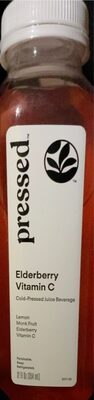 Pressed Juicery
Elderberry Cold Pressed Juice, Elderberry
3kcal
0Protein
0Fat
6.5Carbs
Pressed Juicery
Elderberry Cold Pressed Juice, Elderberry
3kcal
0Protein
0Fat
6.5Carbs
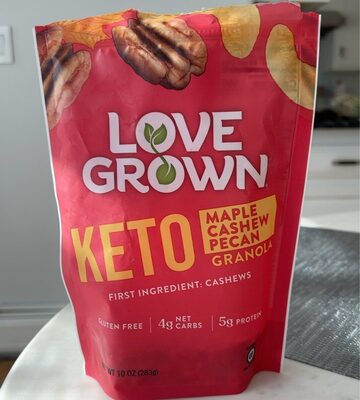 Love Grown Foods, LLC
Maple Cashew Pecan Keto Granola, Maple Cashew Pecan
High in saturated fat — 30% DV per serving
457kcal
14.3Protein
45.7Fat
31.4Carbs
Texas Hispanic Magazine
Red Thai Chicken Curry, Red Thai Chicken
High in sodium — 48% DV per serving
High in saturated fat — 30% DV per serving
142kcal
7.0Protein
11.5Fat
6.1Carbs
Love Grown Foods, LLC
Maple Cashew Pecan Keto Granola, Maple Cashew Pecan
High in saturated fat — 30% DV per serving
457kcal
14.3Protein
45.7Fat
31.4Carbs
Texas Hispanic Magazine
Red Thai Chicken Curry, Red Thai Chicken
High in sodium — 48% DV per serving
High in saturated fat — 30% DV per serving
142kcal
7.0Protein
11.5Fat
6.1Carbs
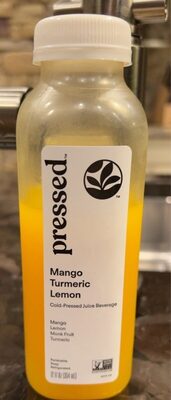 Pressed Juicery
Mango, Turmeric, Lemon Cold-Pressed Juice Beverage, Mango, Turmeric, Lemon
13kcal
0Protein
0Fat
9.9Carbs
Pressed Juicery
Mango, Turmeric, Lemon Cold-Pressed Juice Beverage, Mango, Turmeric, Lemon
13kcal
0Protein
0Fat
9.9Carbs
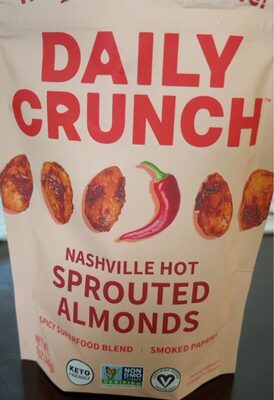 Diane's Kitchen, LLC
Nashville Hot Sprouted Almonds, Nashville Hot
536kcal
17.9Protein
46.4Fat
21.4Carbs
Diane's Kitchen, LLC
Nashville Hot Sprouted Almonds, Nashville Hot
536kcal
17.9Protein
46.4Fat
21.4Carbs