Monkfruit Extract
Auto-generated content. This description was generated automatically and is pending editorial review. Inaccuracies are possible. Found a mistake? Contact us.
What it is
Monk fruit extract is a natural sweetener derived from the monk fruit, a small, round fruit native to Southeast Asia. The extract is produced by crushing the fruit and extracting the juice, which is then dried into a powder. It is known for its intense sweetness, which comes from compounds called mogrosides.
Why it's used
Monk fruit extract is used as a low-calorie sweetener in a variety of food and beverage products. Manufacturers add it to reduce sugar content while maintaining sweetness. It is commonly found in sugar-free or reduced-sugar items like baked goods, beverages, chewing gum, and confectionery.
Health notes
In the U.S., monk fruit extract is generally recognized as safe (GRAS) by the FDA for use as a sweetener. It is not metabolized by the body in the same way as sugar, so it does not significantly impact blood glucose levels. The Joint FAO/WHO Expert Committee on Food Additives (JECFA) and the European Food Safety Authority (EFSA) have also evaluated monk fruit extract, with JECFA establishing an acceptable daily intake.
Allergen info
Monk fruit extract is not derived from any of the nine major allergens recognized by the FDA. It does not contain gluten.
Products containing Monkfruit Extract
Compare products →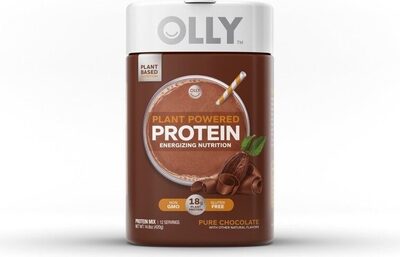 Olly PBC
Protein Mix, Pure Chocolate
371kcal
51.4Protein
8.6Fat
25.7Carbs
UpStar Nutrition, LLC
Ice Cream, Mint To Be
121kcal
7.6Protein
3.8Fat
19.7Carbs
UpStar Nutrition, LLC
Strawberry Sunrise Ice Cream, Strawberry
106kcal
7.6Protein
1.5Fat
18.2Carbs
Olly PBC
Protein Mix, Pure Chocolate
371kcal
51.4Protein
8.6Fat
25.7Carbs
UpStar Nutrition, LLC
Ice Cream, Mint To Be
121kcal
7.6Protein
3.8Fat
19.7Carbs
UpStar Nutrition, LLC
Strawberry Sunrise Ice Cream, Strawberry
106kcal
7.6Protein
1.5Fat
18.2Carbs
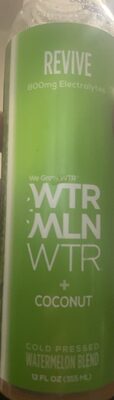 World Waters LLC.
Sun Drenched Citrus Electrolyte Beverage, Sun Drenched Citrus
6kcal
0Protein
0Fat
1.3Carbs
World Waters LLC.
Sun Drenched Citrus Electrolyte Beverage, Sun Drenched Citrus
6kcal
0Protein
0Fat
1.3Carbs
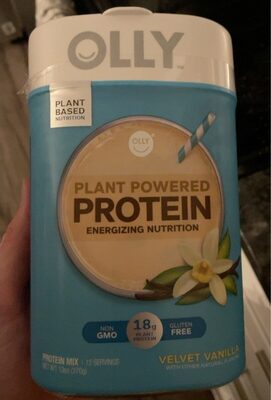 Olly PBC
Velvet Vanilla Plant Powered Energizing Nutrition Protein Mix, Velvet Vanilla
390kcal
58.4Protein
6.5Fat
19.5Carbs
Rip Van, Inc
Snickerdoodle Minis Wafels European Snack, Snickerdoodle
458kcal
20.8Protein
25Fat
54.2Carbs
Olly PBC
Velvet Vanilla Plant Powered Energizing Nutrition Protein Mix, Velvet Vanilla
390kcal
58.4Protein
6.5Fat
19.5Carbs
Rip Van, Inc
Snickerdoodle Minis Wafels European Snack, Snickerdoodle
458kcal
20.8Protein
25Fat
54.2Carbs
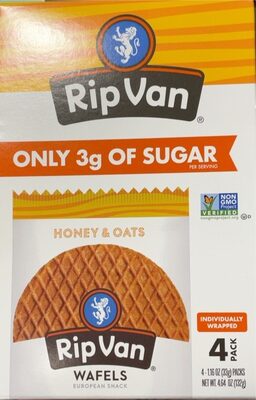 Rip Van, Inc
Honey Oats European Snack Wafels, Honey & Oats
364kcal
3.0Protein
18.2Fat
57.6Carbs
Rip Van, Inc
Honey Oats European Snack Wafels, Honey & Oats
364kcal
3.0Protein
18.2Fat
57.6Carbs
 Rip Van, Inc
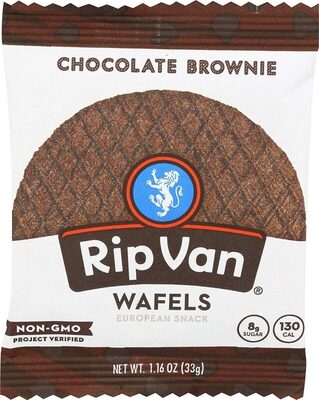
Chocolate Brownie European Snack Wafels, Chocolate Brownie
High in saturated fat — 20% DV per serving
394kcal
3.0Protein
21.2Fat
54.5Carbs
Rip Van, Inc
Chocolate Brownie European Snack Wafels, Chocolate Brownie
High in saturated fat — 20% DV per serving
394kcal
3.0Protein
21.2Fat
54.5Carbs