Mono-and Diclycerides
What is Mono-and Diclycerides?
Mono- and diglycerides are a type of fat that can be found naturally in small amounts in foods like butter and milk. They are often added to processed foods. They are made by combining glycerol with fatty acids, which can come from plant or animal sources.
Is Mono-and Diclycerides gluten-free?
They do not contain gluten.
Is Mono-and Diclycerides a major allergen?
Mono- and diglycerides are not derived from major allergens like milk, egg, fish, shellfish, tree nuts, peanuts, wheat, soy, or sesame.
What is Mono-and Diclycerides used for?
Manufacturers add mono- and diglycerides to foods to help mix ingredients that normally don't mix well, like oil and water.
Is Mono-and Diclycerides safe?
Mono- and diglycerides are generally recognized by the FDA as safe (GRAS) when used in food.
Why it's used
Manufacturers add mono- and diglycerides to foods to help mix ingredients that normally don't mix well, like oil and water. This helps improve the texture and consistency of many products. They are commonly found in baked goods, ice cream, margarine, and whipped toppings.
Health notes
Mono- and diglycerides are generally recognized by the FDA as safe (GRAS) when used in food. They are a common food additive and have been evaluated by regulatory bodies like JECFA and EFSA. Evidence does not suggest adverse health effects from typical consumption levels. They are not considered a significant source of trans fats.
Allergen info
Mono- and diglycerides are not derived from major allergens like milk, egg, fish, shellfish, tree nuts, peanuts, wheat, soy, or sesame. They do not contain gluten.
Foods that contain Mono-and Diclycerides
Compare products →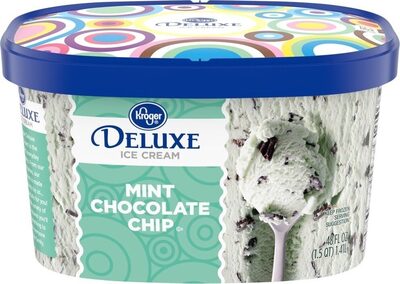 The Kroger Co.
Ice Cream, Mint Chocolate Chip
High in saturated fat — 30% DV per serving
229kcal
4.3Protein
11.4Fat
25.7Carbs
The Kroger Co.
Ice Cream, Mint Chocolate Chip
High in saturated fat — 30% DV per serving
229kcal
4.3Protein
11.4Fat
25.7Carbs
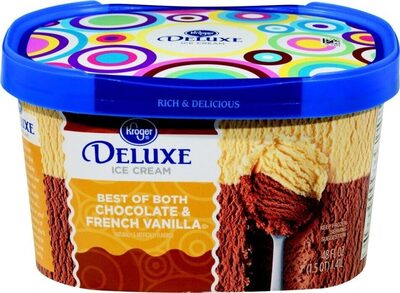 The Kroger Co.
Deluxe Ice Cream, Chocolate/French Vanilla
High in saturated fat — 23% DV per serving
214kcal
4.3Protein
11.4Fat
25.7Carbs
The Kroger Co.
Deluxe Ice Cream, Chocolate/French Vanilla
High in saturated fat — 23% DV per serving
214kcal
4.3Protein
11.4Fat
25.7Carbs
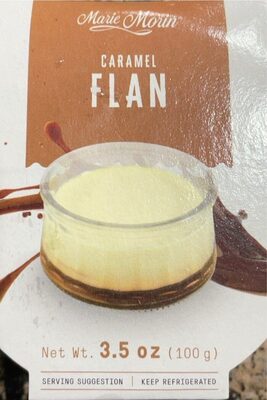 Global 13 Publications, Inc
Caramel Flan, Caramel
High in cholesterol — 37% DV per serving
180kcal
4Protein
7Fat
26Carbs
Darigold, Inc.
French Vanilla Fat Free Creamer, French Vanilla
167kcal
6.7Protein
0Fat
33.3Carbs
Global 13 Publications, Inc
Caramel Flan, Caramel
High in cholesterol — 37% DV per serving
180kcal
4Protein
7Fat
26Carbs
Darigold, Inc.
French Vanilla Fat Free Creamer, French Vanilla
167kcal
6.7Protein
0Fat
33.3Carbs
Learn more
Auto-generated content. This description was generated automatically and is pending editorial review. Inaccuracies are possible. Found a mistake? Contact us.