Mono- And Digly Cerides
What is Mono- And Digly Cerides?
Mono- and diglycerides are a type of fat that occurs naturally in small amounts in all fats and oils. They are typically made by combining glycerol with fatty acids, often derived from vegetable oils or animal fats. This process creates emulsifiers that help blend oil and water.
Is Mono- And Digly Cerides gluten-free?
They do not contain gluten.
Is Mono- And Digly Cerides a major allergen?
Not a major allergen.
What is Mono- And Digly Cerides used for?
Manufacturers add mono- and diglycerides primarily as emulsifiers, which help ingredients like oil and water mix smoothly and prevent separation in foods.
Is Mono- And Digly Cerides safe?
Mono- and diglycerides are generally recognized as safe (GRAS) by the FDA for use in food.
Why it's used
Manufacturers add mono- and diglycerides primarily as emulsifiers, which help ingredients like oil and water mix smoothly and prevent separation in foods. They also improve texture and consistency. You can find them in baked goods like cakes and breads, as well as in ice cream and margarine.
Health notes
Mono- and diglycerides are generally recognized as safe (GRAS) by the FDA for use in food. They are a common component of the diet, as they are found naturally in many foods and are also added to processed items. JECFA and EFSA have evaluated them and found them to be safe for consumption. At typical intake levels, they are not associated with adverse health effects.
Allergen info
Not a major allergen. They are not derived from milk, egg, fish, shellfish, tree nuts, peanuts, wheat, soy, or sesame. They do not contain gluten.
Foods that contain Mono- And Digly Cerides
Compare products →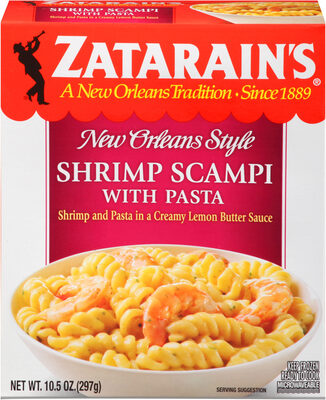 Zatarain's Inc.
Shrimp Scampi With Pasta Shrimp And Pasta In A Creamy Lemon Butter Sauce, Shrimp Scampi With Pasta
High in sodium — 26% DV per serving
High in saturated fat — 25% DV per serving
High in cholesterol — 30% DV per serving
118kcal
6.4Protein
3.4Fat
15.8Carbs
Hannaford Bros. Co.
Cinnamon Swirl Buns, Cinnamon Swirl
High in saturated fat — 35% DV per serving
363kcal
5.3Protein
14.2Fat
53.1Carbs
Dierberg's Markets, Inc.
Chocolate Football Cake, Chocolate
High in saturated fat — 25% DV per serving
362kcal
3.8Protein
16.2Fat
48.8Carbs
Zatarain's Inc.
Shrimp Scampi With Pasta Shrimp And Pasta In A Creamy Lemon Butter Sauce, Shrimp Scampi With Pasta
High in sodium — 26% DV per serving
High in saturated fat — 25% DV per serving
High in cholesterol — 30% DV per serving
118kcal
6.4Protein
3.4Fat
15.8Carbs
Hannaford Bros. Co.
Cinnamon Swirl Buns, Cinnamon Swirl
High in saturated fat — 35% DV per serving
363kcal
5.3Protein
14.2Fat
53.1Carbs
Dierberg's Markets, Inc.
Chocolate Football Cake, Chocolate
High in saturated fat — 25% DV per serving
362kcal
3.8Protein
16.2Fat
48.8Carbs
Learn more
Auto-generated content. This description was generated automatically and is pending editorial review. Inaccuracies are possible. Found a mistake? Contact us.