Mono And Diglycerides And Pgpr
What is Mono And Diglycerides And Pgpr?
Mono- and diglycerides are fats that help blend oil and water in foods. They are made by combining glycerol with fatty acids, which can come from plant or animal sources. PGPR (polyglycerol polyricinoleate) is an emulsifier made from castor oil.
Is Mono And Diglycerides And Pgpr a major allergen?
Not a major allergen.
What is Mono And Diglycerides And Pgpr used for?
These ingredients act as emulsifiers, helping to create smoother textures and prevent separation in foods like margarine and spreads.
Is Mono And Diglycerides And Pgpr safe?
Mono- and diglycerides are generally recognized as safe (GRAS) by the FDA for use in food.
Why it's used
These ingredients act as emulsifiers, helping to create smoother textures and prevent separation in foods like margarine and spreads. They improve spreadability and mouthfeel. They are often found in low-fat spreads and butter alternatives.
Health notes
Mono- and diglycerides are generally recognized as safe (GRAS) by the FDA for use in food. PGPR is also permitted by the FDA as a food additive. Both are widely used and considered safe at typical consumption levels. JECFA and EFSA have evaluated these substances and found them to be safe. There are no major controversies regarding their use.
Allergen info
Not a major allergen. Mono- and diglycerides can be derived from soy or other plant oils, but the refining process typically removes allergenic proteins. PGPR is derived from castor oil, which is not one of the major allergens.
Foods that contain Mono And Diglycerides And Pgpr
Compare products →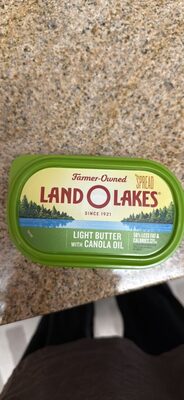 Land O'Lakes, Inc.
Light Butter With Canola Oil Spread
357kcal
0Protein
42.9Fat
0Carbs
Land O'Lakes, Inc.
Light Butter With Canola Oil Spread
357kcal
0Protein
42.9Fat
0Carbs
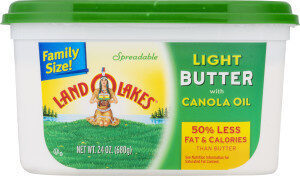 Land O'Lakes, Inc.
Light Butter With Canola Oil
357kcal
0Protein
42.9Fat
0Carbs
Land O'Lakes, Inc.
Light Butter With Canola Oil
357kcal
0Protein
42.9Fat
0Carbs
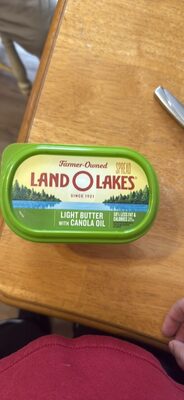 Land O'Lakes, Inc.
Light Butter With Canola Oil, Canola Oil
357kcal
0Protein
42.9Fat
0Carbs
Land O'Lakes, Inc.
Light Butter, Light
357kcal
0Protein
42.9Fat
0Carbs
Land O'Lakes, Inc.
Light Butter With Canola Oil, Canola Oil
357kcal
0Protein
42.9Fat
0Carbs
Land O'Lakes, Inc.
Light Butter, Light
357kcal
0Protein
42.9Fat
0Carbs
Learn more
Auto-generated content. This description was generated automatically and is pending editorial review. Inaccuracies are possible. Found a mistake? Contact us.