Natural And Artificial Flavours
Auto-generated content. This description was generated automatically and is pending editorial review. Inaccuracies are possible. Found a mistake? Contact us.
What it is
Natural and artificial flavors are ingredients added to food to give it a specific taste or smell. Natural flavors are derived from plant or animal sources, while artificial flavors are created synthetically in a lab. The exact composition of these flavorings is often proprietary.
Why it's used
Manufacturers use natural and artificial flavors to enhance or impart taste and aroma in a wide variety of food products. They are commonly found in candies, baked goods, snack foods, seasonings, marinades, and dressings to create appealing flavor profiles.
Health notes
In the U.S., flavors are regulated by the FDA and are generally recognized as safe (GRAS) or approved food additives. International bodies like JECFA and EFSA have also evaluated many flavoring substances. While generally considered safe at typical consumption levels, some individuals may experience sensitivities to specific flavor compounds. Research into the long-term health effects of consuming complex mixtures of artificial flavors is ongoing.
Allergen info
Natural and artificial flavors are not typically derived from the major allergens (milk, egg, fish, shellfish, tree nuts, peanuts, wheat, soy, sesame). Gluten is also not a common component. However, specific natural flavor sources could potentially be allergenic, though this is rare.
Products containing Natural And Artificial Flavours
Compare products →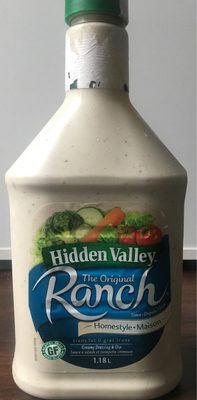 HIDDEN VALLEY
Thick & Creamy Dressing
467kcal
1.3Protein
46.7Fat
6.7Carbs
CHICAGO AMERICAN
Popcorn
420kcal
2Protein
7Fat
86Carbs
POPPYCOCK
Poppycock Chocolate Lovers Popcorn
High in saturated fat — 23% DV per serving
488kcal
7.0Protein
20.9Fat
67.4Carbs
CINNAROLL
Gourmet Cinnamon Rolls With Cream Cheese Frosting
364kcal
4.5Protein
13.6Fat
59.1Carbs
BAKER BOYS
Gourmet Cinnamon Rolls
371kcal
5.7Protein
12.9Fat
55.7Carbs
New Age Medicine Herbs & Vitamins
Gummi Bears
325kcal
5Protein
0Fat
75Carbs
Herr Foods Inc.
Herr's, Potato Chips, Cheddar, Sour Cream, Cheddar, Sour Cream
High in sodium — 23% DV per serving
High in saturated fat — 20% DV per serving
560kcal
10Protein
34Fat
56Carbs
HIDDEN VALLEY
Thick & Creamy Dressing
467kcal
1.3Protein
46.7Fat
6.7Carbs
CHICAGO AMERICAN
Popcorn
420kcal
2Protein
7Fat
86Carbs
POPPYCOCK
Poppycock Chocolate Lovers Popcorn
High in saturated fat — 23% DV per serving
488kcal
7.0Protein
20.9Fat
67.4Carbs
CINNAROLL
Gourmet Cinnamon Rolls With Cream Cheese Frosting
364kcal
4.5Protein
13.6Fat
59.1Carbs
BAKER BOYS
Gourmet Cinnamon Rolls
371kcal
5.7Protein
12.9Fat
55.7Carbs
New Age Medicine Herbs & Vitamins
Gummi Bears
325kcal
5Protein
0Fat
75Carbs
Herr Foods Inc.
Herr's, Potato Chips, Cheddar, Sour Cream, Cheddar, Sour Cream
High in sodium — 23% DV per serving
High in saturated fat — 20% DV per serving
560kcal
10Protein
34Fat
56Carbs
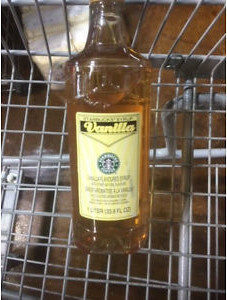 Starbucks Coffee Company
Sugar-Free Syrup, Vanilla
0kcal
0Protein
0Fat
0Carbs
Flash Tek Inc.
Jelly Beans, Spiced Mix
375kcal
0Protein
0Fat
95Carbs
Flash Tek Inc.
Jelly Beans, Black Licorice
375kcal
0Protein
0Fat
95Carbs
Starbucks Coffee Company
Sugar-Free Syrup, Vanilla
0kcal
0Protein
0Fat
0Carbs
Flash Tek Inc.
Jelly Beans, Spiced Mix
375kcal
0Protein
0Fat
95Carbs
Flash Tek Inc.
Jelly Beans, Black Licorice
375kcal
0Protein
0Fat
95Carbs