Natural & Artificial Flavour
Auto-generated content. This description was generated automatically and is pending editorial review. Inaccuracies are possible. Found a mistake? Contact us.
What it is
Natural and artificial flavors are substances added to food to impart or enhance taste and aroma. Natural flavors are derived from plant or animal sources, while artificial flavors are synthesized in a lab. Both are complex mixtures, often containing dozens of individual chemical compounds.
Why it's used
Manufacturers use these flavors to create or boost specific taste profiles in a wide range of products. They are commonly found in beverages, candies, baked goods, and dairy products to provide desirable tastes like fruit, spice, or savory notes.
Health notes
In the U.S., flavors are regulated by the FDA. Many are considered Generally Recognized As Safe (GRAS) or are approved food additives. International bodies like JECFA and EFSA have also evaluated many flavor compounds. At typical consumption levels, they are not associated with adverse health effects for most people. Some individuals may have sensitivities or allergies to specific flavor components.
Allergen info
Flavors are not typically derived from the 9 major allergens. However, if a flavor is derived from a source that is a major allergen (e.g., a natural flavor from wheat), that allergen must be declared on the product label. Gluten is not typically associated with flavors.
Products containing Natural & Artificial Flavour
Compare products →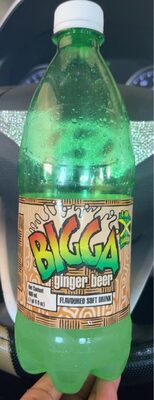 Wisynco Group Limited
Ginger Beer Flavored Soft Drink, Ginger Beer
53kcal
0Protein
0Fat
13.8Carbs
Vitamin Health, Inc.
Salmon, Shrimp & Scallops
High in sodium — 20% DV per serving
130kcal
7Protein
5Fat
15Carbs
Wisynco Group Limited
Ginger Beer Flavored Soft Drink, Ginger Beer
53kcal
0Protein
0Fat
13.8Carbs
Vitamin Health, Inc.
Salmon, Shrimp & Scallops
High in sodium — 20% DV per serving
130kcal
7Protein
5Fat
15Carbs