Natural Caramel Color
What is Natural Caramel Color?
Natural caramel color is a coloring derived from heating carbohydrates, such as sugar or corn syrup. The heating process, called caramelization, can involve acids, alkalis, or sulfites, depending on the specific type of caramel color. The resulting product ranges in color from light yellow to dark brown.
Is Natural Caramel Color gluten-free?
It does not contain gluten.
Is Natural Caramel Color a major allergen?
Natural caramel color is not derived from any of the nine FDA major allergens.
What is Natural Caramel Color used for?
Manufacturers add natural caramel color to provide or enhance the brown color in a wide variety of foods.
Is Natural Caramel Color safe?
Natural caramel color is Generally Recognized As Safe (GRAS) by the FDA for use in food.
Why it's used
Manufacturers add natural caramel color to provide or enhance the brown color in a wide variety of foods. It is commonly found in baked goods, beverages, sauces, soups, and confectionery products. Its primary function is to give foods an appealing, rich brown hue.
Health notes
Natural caramel color is Generally Recognized As Safe (GRAS) by the FDA for use in food. Regulatory bodies like JECFA and EFSA have evaluated caramel colors. Some studies have raised questions about certain compounds that can be formed during caramelization, particularly 4-MEI (4-methylimidazole), which is found in some Class III and IV caramel colors. However, at the levels typically found in food, caramel colors are considered safe for consumption.
Allergen info
Natural caramel color is not derived from any of the nine FDA major allergens. It does not contain gluten.
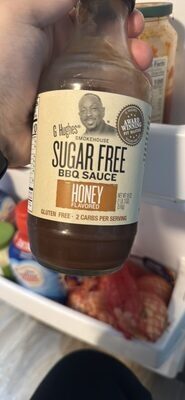
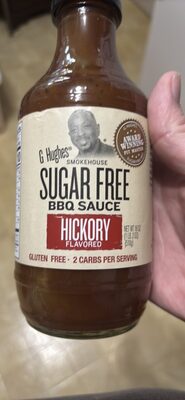
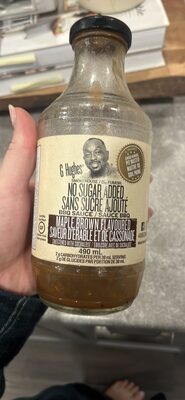
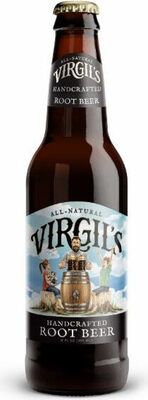
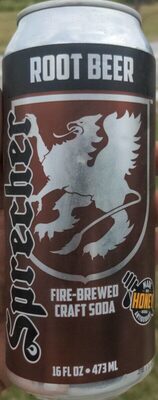
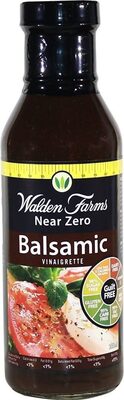
Foods that contain Natural Caramel Color
Compare products →
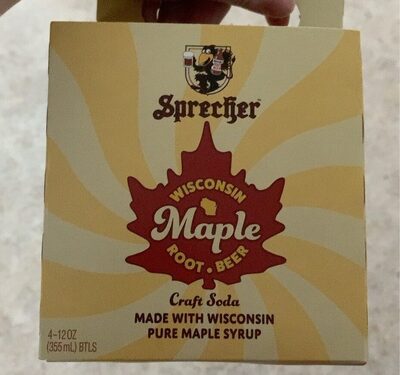
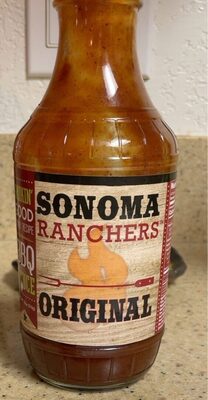
Learn more
Auto-generated content. This description was generated automatically and is pending editorial review. Inaccuracies are possible. Found a mistake? Contact us.