Natural Glycerine
What is Natural Glycerine?
Glycerine, also known as glycerol, is a simple sugar alcohol. It is a colorless, odorless, viscous liquid that is sweet-tasting and non-toxic. Glycerine can be produced from plant oils (like soy or palm oil) or animal fats, or it can be synthesized from petroleum.
Is Natural Glycerine gluten-free?
It does not contain gluten.
Is Natural Glycerine a major allergen?
Glycerine is not derived from any of the 9 major allergens.
What is Natural Glycerine used for?
Manufacturers use glycerine as a humectant (to retain moisture), a solvent, and a sweetener.
Is Natural Glycerine safe?
Glycerine is Generally Recognized As Safe (GRAS) by the FDA for use in food.
Why it's used
Manufacturers use glycerine as a humectant (to retain moisture), a solvent, and a sweetener. It helps prevent foods from drying out and can improve texture. You can find it in baked goods, confectionery, and some beverages.
Health notes
Glycerine is Generally Recognized As Safe (GRAS) by the FDA for use in food. It is metabolized by the body and provides calories. The Joint FAO/WHO Expert Committee on Food Additives (JECFA) has evaluated glycerine and established an acceptable daily intake. Evidence does not suggest adverse health effects at typical dietary levels.
Allergen info
Glycerine is not derived from any of the 9 major allergens. It does not contain gluten.
Foods that contain Natural Glycerine
Compare products →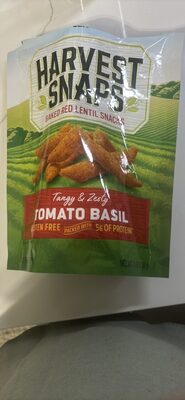 Calbee North America, LLC
Tomato Basil Red Lentil Snack Crisps, Tomato Basil
464kcal
17.9Protein
17.9Fat
57.1Carbs
Dancing Deer Baking Company, Inc.
Dancing Deer Baking Co, Sweet Shortbread, Espresso Chocolate Chip, Espresso Chocolate Chip
High in saturated fat — 25% DV per serving
500kcal
7.1Protein
28.6Fat
57.1Carbs
Two Chefs On A Roll, Inc.
Sweet Potato Dip
179kcal
3.6Protein
10.7Fat
21.4Carbs
Calbee North America, LLC
Lentil Bean, Tomato Basil
422kcal
20Protein
20Fat
55.6Carbs
Calbee North America, LLC
Salted Caramel Holiday Snack Crisps, Salted Caramel
464kcal
17.9Protein
21.4Fat
57.1Carbs
Calbee North America, LLC
Tomato Basil Red Lentil Snack Crisps, Tomato Basil
464kcal
17.9Protein
17.9Fat
57.1Carbs
Dancing Deer Baking Company, Inc.
Dancing Deer Baking Co, Sweet Shortbread, Espresso Chocolate Chip, Espresso Chocolate Chip
High in saturated fat — 25% DV per serving
500kcal
7.1Protein
28.6Fat
57.1Carbs
Two Chefs On A Roll, Inc.
Sweet Potato Dip
179kcal
3.6Protein
10.7Fat
21.4Carbs
Calbee North America, LLC
Lentil Bean, Tomato Basil
422kcal
20Protein
20Fat
55.6Carbs
Calbee North America, LLC
Salted Caramel Holiday Snack Crisps, Salted Caramel
464kcal
17.9Protein
21.4Fat
57.1Carbs
Auto-generated content. This description was generated automatically and is pending editorial review. Inaccuracies are possible. Found a mistake? Contact us.