Rice
What is Rice?
Rice is the seed of the grass species Oryza sativa (Asian rice) or Oryza glaberrima (African rice). It is a staple food for a large part of the world's human population, especially in Asia. It is typically harvested, milled to remove the husk, and then can be further processed into white rice or left as brown rice.
Is Rice vegan?
Rice is not animal-derived. Products that contain it can still include other animal-derived ingredients, so check the full ingredient list.
Is Rice gluten-free?
Rice is naturally gluten-free.
Is Rice a major allergen?
Not a major allergen.
What is Rice used for?
Rice is primarily used as a main ingredient in many dishes and processed foods.
Is Rice safe?
Rice is a common food ingredient and is generally recognized as safe (GRAS) by the FDA when consumed as a food.
Why it's used
Rice is primarily used as a main ingredient in many dishes and processed foods. It can be consumed whole, ground into flour for baking or thickening, or processed into products like rice cakes, noodles, and cereals. Manufacturers use it as a base, filler, or binder in various food products.
Health notes
Rice is a common food ingredient and is generally recognized as safe (GRAS) by the FDA when consumed as a food. It is a good source of carbohydrates and provides energy. A potential concern with rice is the presence of naturally occurring inorganic arsenic, which the FDA monitors and provides advice on to help consumers reduce exposure. JECFA has evaluated arsenic as a contaminant in food, but rice itself is a food, not an additive, so an Acceptable Daily Intake (ADI) is not applicable to rice as a whole food.
Allergen info
Not a major allergen. Rice is naturally gluten-free.
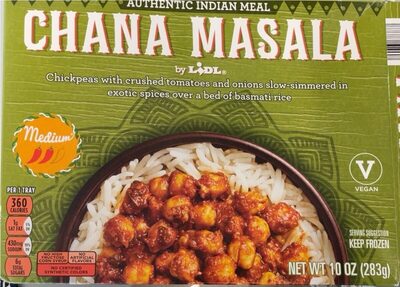
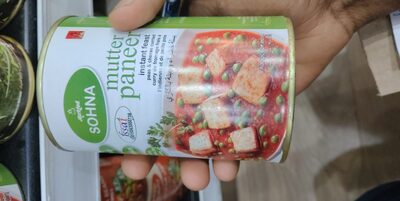
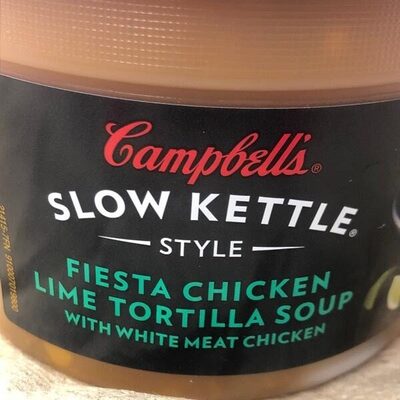
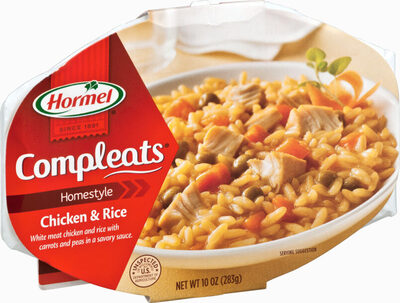
Foods that contain Rice
Compare products →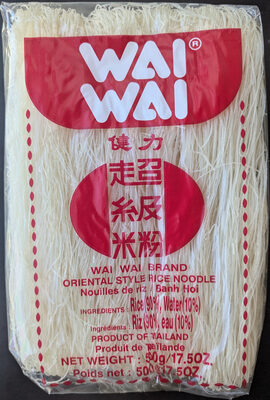
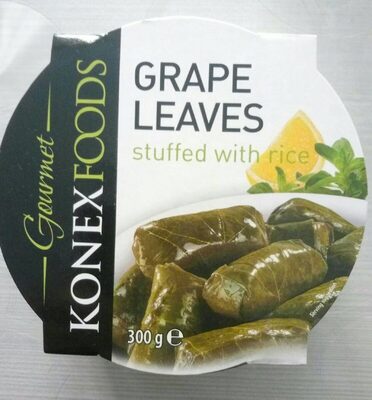
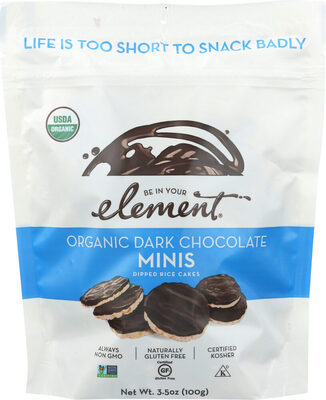
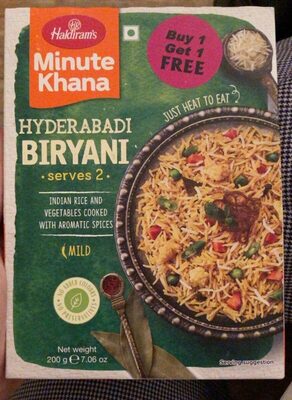
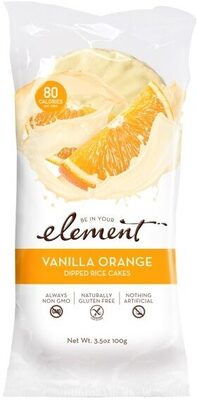
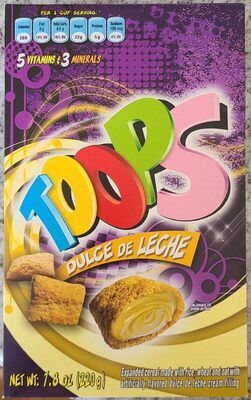
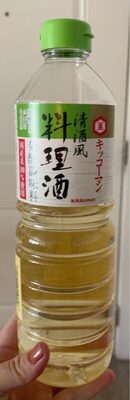
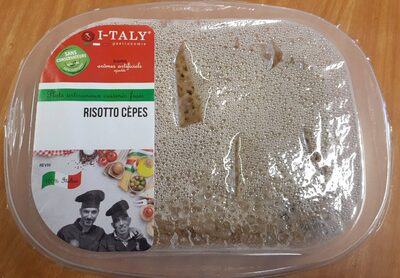
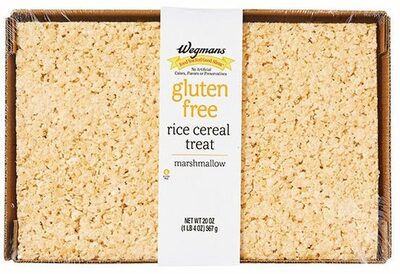
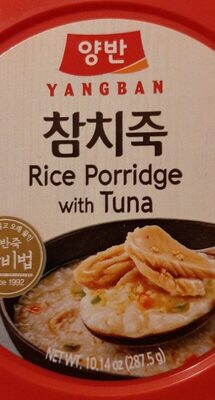
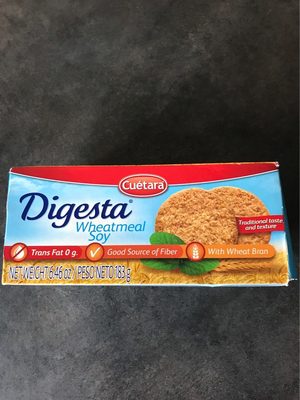
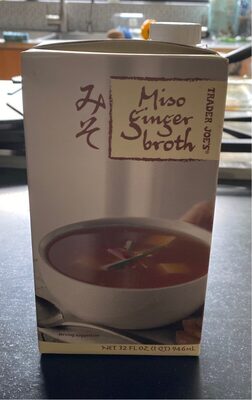
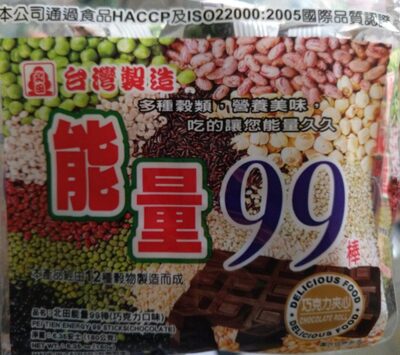

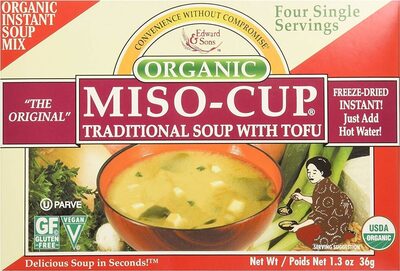
Learn more
Auto-generated content. This description was generated automatically and is pending editorial review. Inaccuracies are possible. Found a mistake? Contact us.