Nigella
What is Nigella?
Nigella, also known as black cumin, is a small, black, crescent-shaped seed from the *Nigella sativa* plant, native to Southwest Asia. The seeds are harvested when the plant's fruit pods mature and dry. They are typically used whole or ground.
Is Nigella vegan?
Nigella is not animal-derived. Products that contain it can still include other animal-derived ingredients, so check the full ingredient list.
Is Nigella a major allergen?
Nigella seeds are not one of the nine major allergens recognized by the FDA.
What is Nigella used for?
Nigella seeds are primarily used as a spice to add a slightly bitter, pungent flavor to foods.
Is Nigella safe?
Nigella seeds have been used in traditional medicine for centuries.
Why it's used
Nigella seeds are primarily used as a spice to add a slightly bitter, pungent flavor to foods. They are often sprinkled on breads, crackers, and pastries before baking, and are a common ingredient in Indian, Middle Eastern, and Mediterranean cuisines, particularly in pickles, relishes, and spice blends.
Health notes
Nigella seeds have been used in traditional medicine for centuries. Some peer-reviewed studies suggest potential health benefits, but more research is needed to confirm these effects in humans. Regulatory bodies like the FDA have not established specific guidelines for nigella seeds beyond their general use as a food ingredient. JECFA and EFSA have not specifically evaluated nigella seeds for safety as a food additive.
Allergen info
Nigella seeds are not one of the nine major allergens recognized by the FDA. However, they are botanically related to Ranunculaceae (buttercup family), and individuals with allergies to other plants in this family might react. Sesame is a major allergen and nigella seeds are sometimes confused with sesame seeds, but they are not the same.
Foods that contain Nigella
Compare products →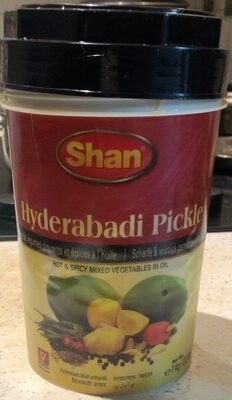
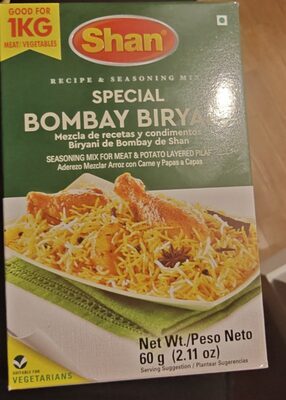
Learn more
Auto-generated content. This description was generated automatically and is pending editorial review. Inaccuracies are possible. Found a mistake? Contact us.