Non-alluminated Baking Powder
What is Non-alluminated Baking Powder?
Non-aluminated baking powder is a leavening agent used in baking. It's a mixture of a carbonate or bicarbonate (like baking soda) and an acid salt, plus a filler like cornstarch. Unlike traditional baking powder, it does not contain aluminum-based compounds.
Is Non-alluminated Baking Powder vegan?
Non-alluminated Baking Powder is not animal-derived. Products that contain it can still include other animal-derived ingredients, so check the full ingredient list.
Is Non-alluminated Baking Powder a major allergen?
Not a major allergen.
What is Non-alluminated Baking Powder used for?
Baking powder is added to baked goods to help them rise and become light and fluffy.
Is Non-alluminated Baking Powder safe?
Baking powder is generally recognized as safe (GRAS) by the FDA for use in food.
Why it's used
Baking powder is added to baked goods to help them rise and become light and fluffy. It reacts with moisture and heat to produce carbon dioxide gas, which causes the batter to expand. It is commonly found in cakes, cookies, muffins, pancakes, and biscuits.
Health notes
Baking powder is generally recognized as safe (GRAS) by the FDA for use in food. The FDA has not set specific upper intake limits for baking powder components, but they are consumed in small amounts as part of baked goods. Regulatory bodies like JECFA and EFSA have evaluated the components of baking powder. Concerns about aluminum from aluminated baking powder have led to the development of non-aluminated versions, though typical dietary intake of aluminum from baking powder is considered low.
Allergen info
Not a major allergen. Baking powder itself does not contain major allergens, though some formulations may use cornstarch, which is derived from corn.
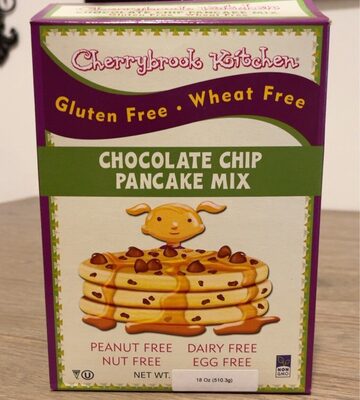
Foods that contain Non-alluminated Baking Powder
Compare products →
Auto-generated content. This description was generated automatically and is pending editorial review. Inaccuracies are possible. Found a mistake? Contact us.