Non-gmo Brown Rice Syrup
What is Non-gmo Brown Rice Syrup?
Non-GMO brown rice syrup is a sweetener made from brown rice. The rice is cooked, then treated with enzymes to break down its starches into sugars. The resulting liquid is then evaporated to create a thick, syrupy consistency.
Is Non-gmo Brown Rice Syrup vegan?
Non-gmo Brown Rice Syrup is not animal-derived. Products that contain it can still include other animal-derived ingredients, so check the full ingredient list.
Is Non-gmo Brown Rice Syrup gluten-free?
It is also gluten-free.
Is Non-gmo Brown Rice Syrup a major allergen?
Non-GMO brown rice syrup is not derived from any of the 9 FDA major allergens.
What is Non-gmo Brown Rice Syrup used for?
Manufacturers use non-GMO brown rice syrup primarily as a sweetener and binder.
Is Non-gmo Brown Rice Syrup safe?
Non-GMO brown rice syrup is generally recognized as safe (GRAS) by the FDA for use in food.
Why it's used
Manufacturers use non-GMO brown rice syrup primarily as a sweetener and binder. Its mild flavor and sticky texture make it ideal for energy bars, granola bars, and baked goods. It is also found in popcorn and snack mixes.
Health notes
Non-GMO brown rice syrup is generally recognized as safe (GRAS) by the FDA for use in food. It is primarily composed of carbohydrates, providing energy. JECFA and EFSA have evaluated similar carbohydrate-based sweeteners. While it contains some minerals, the levels are typically low in processed foods.
Allergen info
Non-GMO brown rice syrup is not derived from any of the 9 FDA major allergens. It is also gluten-free.
Foods that contain Non-gmo Brown Rice Syrup
Compare products →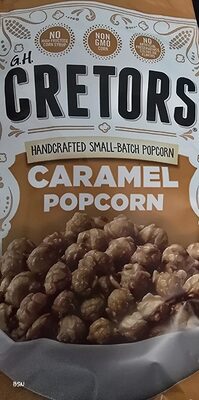 Cornfields, Inc.
Caramel Popped Corn
429kcal
3.6Protein
16.1Fat
75Carbs
Cornfields, Inc.
Caramel Popped Corn
429kcal
3.6Protein
16.1Fat
75Carbs
 Cornfields, Inc.
G.H. Cretors, Popped Corn, Chicago Mix, Chicago Mix
500kcal
4.8Protein
28.6Fat
59.5Carbs
Cornfields, Inc.
G.H. Cretors, Popped Corn, Pumpkin Spice, Caramel, Pumpkin Spice, Caramel
464kcal
3.6Protein
25Fat
64.3Carbs
Cornfields, Inc.
G H Cretors, Double Chocolate Caramel Corn With Almonds & Cashews
500kcal
3.6Protein
25Fat
64.3Carbs
Cornfields, Inc.
Popped Corn, Buttery Caramel Corn & Real Cheddar Cheese Corn
High in added sugars — 22% DV per serving
500kcal
3.6Protein
25Fat
64.3Carbs
Grab The Gold, Inc.
Peanut Butter & Jelly Snack Bars, Peanut Butter & Jelly
339kcal
19.3Protein
8.8Fat
43.9Carbs
Cornfields, Inc.
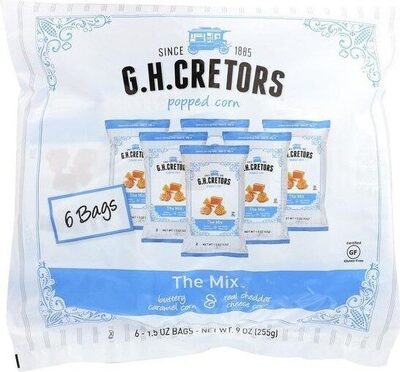
The Mix Popped Corn, Buttery Caramel & Real Cheddar Cheese
500kcal
7.1Protein
28.6Fat
60.7Carbs
Cornfields, Inc.
G.H. Cretors, Popped Corn, Chicago Mix, Chicago Mix
500kcal
4.8Protein
28.6Fat
59.5Carbs
Cornfields, Inc.
G.H. Cretors, Popped Corn, Pumpkin Spice, Caramel, Pumpkin Spice, Caramel
464kcal
3.6Protein
25Fat
64.3Carbs
Cornfields, Inc.
G H Cretors, Double Chocolate Caramel Corn With Almonds & Cashews
500kcal
3.6Protein
25Fat
64.3Carbs
Cornfields, Inc.
Popped Corn, Buttery Caramel Corn & Real Cheddar Cheese Corn
High in added sugars — 22% DV per serving
500kcal
3.6Protein
25Fat
64.3Carbs
Grab The Gold, Inc.
Peanut Butter & Jelly Snack Bars, Peanut Butter & Jelly
339kcal
19.3Protein
8.8Fat
43.9Carbs
Cornfields, Inc.
The Mix Popped Corn, Buttery Caramel & Real Cheddar Cheese
500kcal
7.1Protein
28.6Fat
60.7Carbs
Learn more
Auto-generated content. This description was generated automatically and is pending editorial review. Inaccuracies are possible. Found a mistake? Contact us.