Non Gmo Brown Sugar
What is Non Gmo Brown Sugar?
Brown sugar is a type of sugar made from sugar cane or sugar beets. It gets its characteristic color and flavor from molasses, which is either naturally present or added back to refined white sugar. "Non-GMO" indicates that the sugar cane or sugar beets used were not genetically modified.
Is Non Gmo Brown Sugar vegan?
Non Gmo Brown Sugar is not animal-derived. Products that contain it can still include other animal-derived ingredients, so check the full ingredient list.
Is Non Gmo Brown Sugar a major allergen?
Not a major allergen.
What is Non Gmo Brown Sugar used for?
Manufacturers use brown sugar primarily as a sweetener, adding a rich, caramel-like flavor to products.
Is Non Gmo Brown Sugar safe?
Brown sugar is generally recognized as safe (GRAS) by the FDA.
Why it's used
Manufacturers use brown sugar primarily as a sweetener, adding a rich, caramel-like flavor to products. It also helps retain moisture in baked goods and contributes to browning. It is commonly found in desserts, baked goods, sauces, and glazes.
Health notes
Brown sugar is generally recognized as safe (GRAS) by the FDA. As a type of sugar, it contributes calories and is considered an added sugar when not naturally occurring in a food. The 2025-2030 Dietary Guidelines for Americans recommend limiting added sugars, with no specific amount recommended. JECFA has not set an acceptable daily intake for sugar itself, as it is a fundamental food ingredient.
Allergen info
Not a major allergen.
Foods that contain Non Gmo Brown Sugar
Compare products →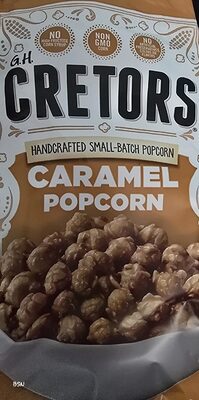
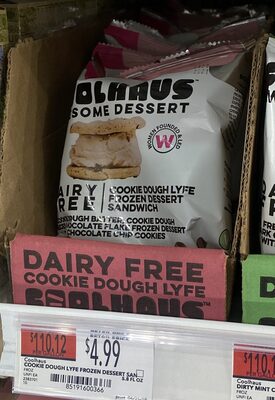
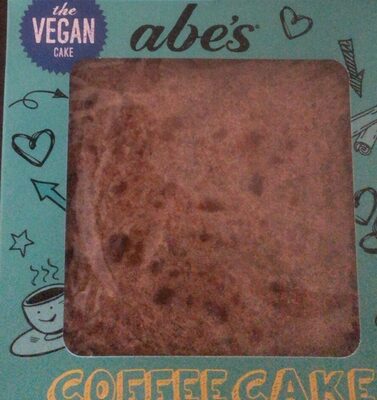
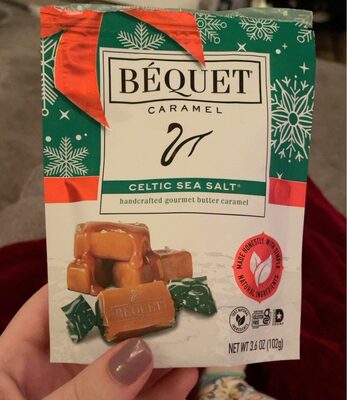
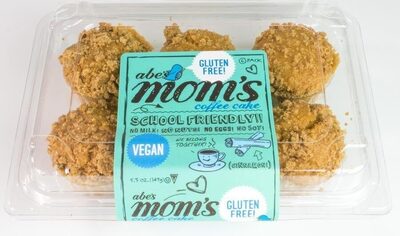 Abe'S Mom'S
Coffee Cake
High in added sugars — 36% DV per serving
436kcal
1.8Protein
20Fat
65.5Carbs
Learn more
Auto-generated content. This description was generated automatically and is pending editorial review. Inaccuracies are possible. Found a mistake? Contact us.