Ocean Clams And Ocean Clam Juice
What is Ocean Clams And Ocean Clam Juice?
Ocean clams are bivalve mollusks harvested from marine waters. Ocean clam juice is the liquid naturally released by clams during processing, often collected and used as a flavoring ingredient.
Is Ocean Clams And Ocean Clam Juice vegan?
No. Ocean Clams And Ocean Clam Juice is animal-derived, so it is not vegan.
Is Ocean Clams And Ocean Clam Juice a major allergen?
Ocean clams are shellfish, which are one of the 9 FDA major allergens.
What is Ocean Clams And Ocean Clam Juice used for?
Clam juice is primarily used to add a distinct savory, briny seafood flavor to foods.
Is Ocean Clams And Ocean Clam Juice safe?
Ocean clams and clam juice are generally recognized as safe (GRAS) by the FDA for use in food.
Why it's used
Clam juice is primarily used to add a distinct savory, briny seafood flavor to foods. It is commonly found in canned seafood products, soups like clam chowder, sauces, and dips.
Health notes
Ocean clams and clam juice are generally recognized as safe (GRAS) by the FDA for use in food. They are a natural source of protein and minerals. Regulatory bodies like JECFA and EFSA have evaluated various shellfish, but specific evaluations for clam juice are not widely published. As with all seafood, consumption should be mindful of potential contaminants like heavy metals or microplastics, though levels in commercially harvested clams are typically monitored.
Allergen info
Ocean clams are shellfish, which are one of the 9 FDA major allergens. People with shellfish allergies should avoid this ingredient.
Foods that contain Ocean Clams And Ocean Clam Juice
Compare products →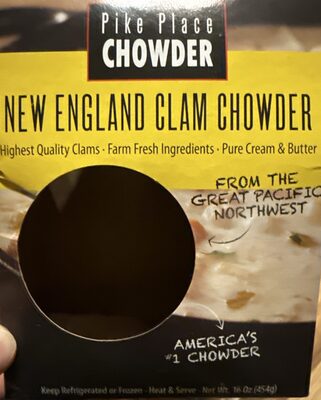
Learn more
Auto-generated content. This description was generated automatically and is pending editorial review. Inaccuracies are possible. Found a mistake? Contact us.