Oil Shortening
Auto-generated content. This description was generated automatically and is pending editorial review. Inaccuracies are possible. Found a mistake? Contact us.
What it is
Oil shortening is a solid fat, typically made from vegetable oils like soybean, palm, or canola. It is processed to be solid at room temperature, often through hydrogenation, which changes the oil's structure. This gives it a smooth, creamy texture.
Why it's used
Shortening is used in baking to make doughs tender and flaky, and to prevent sticking. It's also used in frying to create a crisp texture. You can find it in cookies, cakes, pastries, and fried foods.
Health notes
In the U.S., oil shortening is generally recognized as safe (GRAS) by the FDA when used as intended. It is a source of fat and calories. Some shortenings may contain trans fats, which the FDA has determined are not GRAS for use in food. JECFA and EFSA have evaluated fats and oils, including those used in shortening, and have established acceptable daily intakes for certain components.
Allergen info
Shortening is not typically derived from one of the 9 FDA major allergens. However, some shortenings may be made with soybean oil, which is a major allergen. Check product labels for specific ingredients.
Products containing Oil Shortening
Compare products →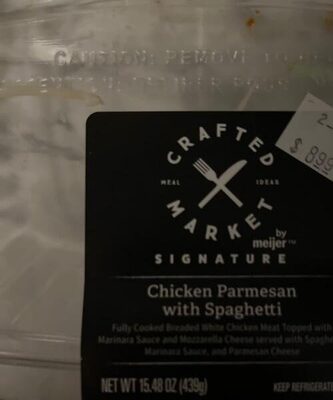 Meijer, Inc.
Signature, Chicken Parmesan Topped With Marinara Sauce And Mozzarella Cheese Served With Spaghetti, Marinara Sauce, And Parmesan Cheese, Chicken Parmesan
High in sodium — 81% DV per serving
High in saturated fat — 30% DV per serving
High in cholesterol — 34% DV per serving
134kcal
8.9Protein
4.8Fat
14.6Carbs
Meijer, Inc.
Signature, Chicken Parmesan Topped With Marinara Sauce And Mozzarella Cheese Served With Spaghetti, Marinara Sauce, And Parmesan Cheese, Chicken Parmesan
High in sodium — 81% DV per serving
High in saturated fat — 30% DV per serving
High in cholesterol — 34% DV per serving
134kcal
8.9Protein
4.8Fat
14.6Carbs