Added
What is Added?
"Added" is a descriptor used on food labels to indicate ingredients that have been intentionally included in a food product, rather than being naturally present. It highlights that certain components, such as sugars, colors, preservatives, or other functional ingredients, were incorporated during processing.
Is Added a major allergen?
"Added" is a descriptor and not a specific ingredient, so it is not a major allergen itself.
What is Added used for?
The term "added" serves to inform consumers about the presence of ingredients that enhance flavor, appearance, texture, or shelf life, but are not naturally part of the food.
Is Added safe?
The term "added" itself does not have direct health implications.
Why it's used
The term "added" serves to inform consumers about the presence of ingredients that enhance flavor, appearance, texture, or shelf life, but are not naturally part of the food. These can include sweeteners, colors, preservatives, or other functional ingredients found in products like cakes, cookies, processed meats, or seafood.
Health notes
The term "added" itself does not have direct health implications. However, the specific ingredients that are "added" can have health considerations. For example, the 2025-2030 Dietary Guidelines for Americans recommend no amount of added sugars, and at most 10 grams of added sugars per meal. For "added colors," some synthetic dyes are undergoing regulatory changes; for example, the FDA announced a plan in April 2025 to phase out petroleum-based synthetic dyes (Red 40, Yellow 5, Yellow 6, Blue 1, Blue 2, Green 3, Citrus Red 2, Orange B).
Allergen info
"Added" is a descriptor and not a specific ingredient, so it is not a major allergen itself. However, the actual "added" ingredients could be major allergens (e.g., added milk, added wheat).
Foods that contain Added
Compare products →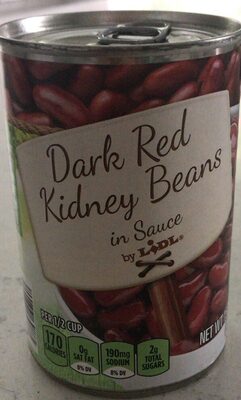
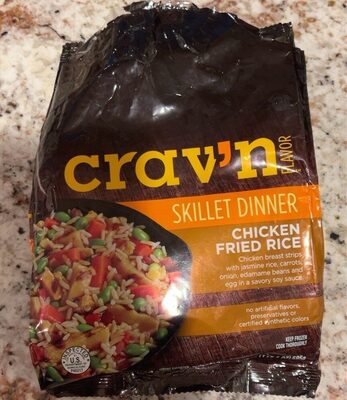



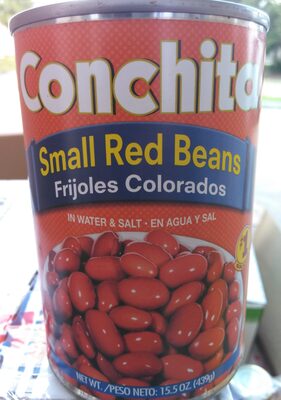
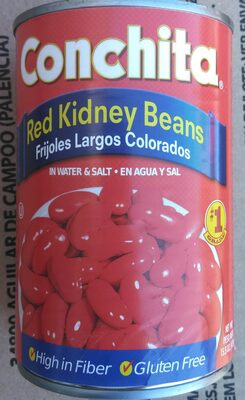


Auto-generated content. This description was generated automatically and is pending editorial review. Inaccuracies are possible. Found a mistake? Contact us.