Omega-3 Ala
Auto-generated content. This description was generated automatically and is pending editorial review. Inaccuracies are possible. Found a mistake? Contact us.
What it is
Omega-3 ALA, or alpha-linolenic acid, is a type of polyunsaturated fatty acid. It is an essential nutrient, meaning the body cannot make it and must get it from food. ALA is found in plant-based foods like flaxseeds, chia seeds, walnuts, and soybeans.
Why it's used
Manufacturers add Omega-3 ALA to foods to boost their nutritional content, particularly for its omega-3 fatty acid profile. It is often incorporated into products like yogurt, nut butters, and spreads to enhance their health appeal.
Health notes
Omega-3 ALA is recognized as safe (GRAS) by the FDA when used as a nutrient. The body can convert some ALA into EPA and DHA, other important omega-3 fatty acids. Research suggests omega-3 fatty acids may support heart health, though evidence is mixed on specific benefits from ALA alone. JECFA has evaluated ALA and established an acceptable daily intake. EFSA has also reviewed omega-3 fatty acids.
Allergen info
Omega-3 ALA itself is not a major allergen. However, it is often derived from plant sources like soy or nuts, which are major allergens. Check product labels for specific allergen information.
Products containing Omega-3 Ala
Compare products →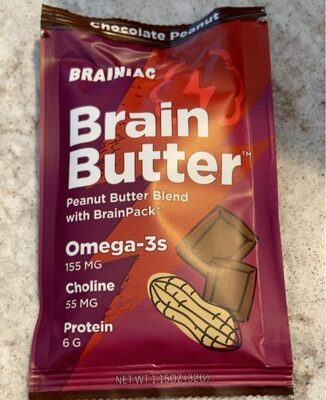 Ingenuity Foods, Inc.
Chocolate Peanut Brain Butter Blend With Brainpack, Chocolate Peanut
High in saturated fat — 20% DV per serving
594kcal
18.8Protein
37.5Fat
34.4Carbs
Ingenuity Foods, Inc.
Cherry Vanilla Whole Milk Yogurt Drink With Brainpack, Cherry Vanilla
58kcal
3.3Protein
2.5Fat
10.8Carbs
Ingenuity Foods, Inc.
Chocolate Peanut Brain Butter Blend With Brainpack, Chocolate Peanut
High in saturated fat — 20% DV per serving
594kcal
18.8Protein
37.5Fat
34.4Carbs
Ingenuity Foods, Inc.
Cherry Vanilla Whole Milk Yogurt Drink With Brainpack, Cherry Vanilla
58kcal
3.3Protein
2.5Fat
10.8Carbs
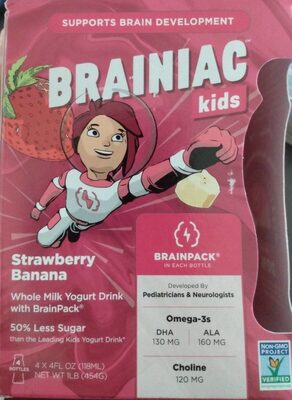 Ingenuity Foods, Inc.
Strawberry Banana Whole Milk Yogurt Drink With Brainpack, Strawberry Banana
58kcal
3.3Protein
2.5Fat
10.8Carbs
Ingenuity Foods, Inc.
Strawberry Whole Milk Yogurt Drink With Brainpack, Strawberry
58kcal
3.3Protein
2.5Fat
10.8Carbs
Ingenuity Foods, Inc.
Mixed Berry Whole Milk Yogurt Drink With Brainpack, Mixed Berry
58kcal
3.3Protein
2.5Fat
10.8Carbs
Ingenuity Foods, Inc.
Strawberry Banana Whole Milk Yogurt Drink With Brainpack, Strawberry Banana
58kcal
3.3Protein
2.5Fat
10.8Carbs
Ingenuity Foods, Inc.
Strawberry Whole Milk Yogurt Drink With Brainpack, Strawberry
58kcal
3.3Protein
2.5Fat
10.8Carbs
Ingenuity Foods, Inc.
Mixed Berry Whole Milk Yogurt Drink With Brainpack, Mixed Berry
58kcal
3.3Protein
2.5Fat
10.8Carbs